

Introduction
A gravel bike has become one of the most popular choices for cyclists who want freedom beyond traditional road cycling. Unlike standard road bikes designed only for smooth pavement, a gravel bike is built to handle rough terrain, dirt paths, forest trails, and long-distance adventures. Its versatility makes it a perfect option for riders who enjoy both road and off-road cycling.
Over the past decade, gravel cycling has grown rapidly around the world. Riders appreciate the flexibility, comfort, and adventure that comes with using a gravel bike. Whether you want to commute, explore remote countryside roads, or participate in gravel racing events, this type of bicycle offers a reliable and exciting riding experience.
In this guide, you will learn everything about gravel bikes—how they work, their benefits, how to choose the right one, and why they are becoming the preferred option for modern cyclists.
What Is a Gravel Bike?
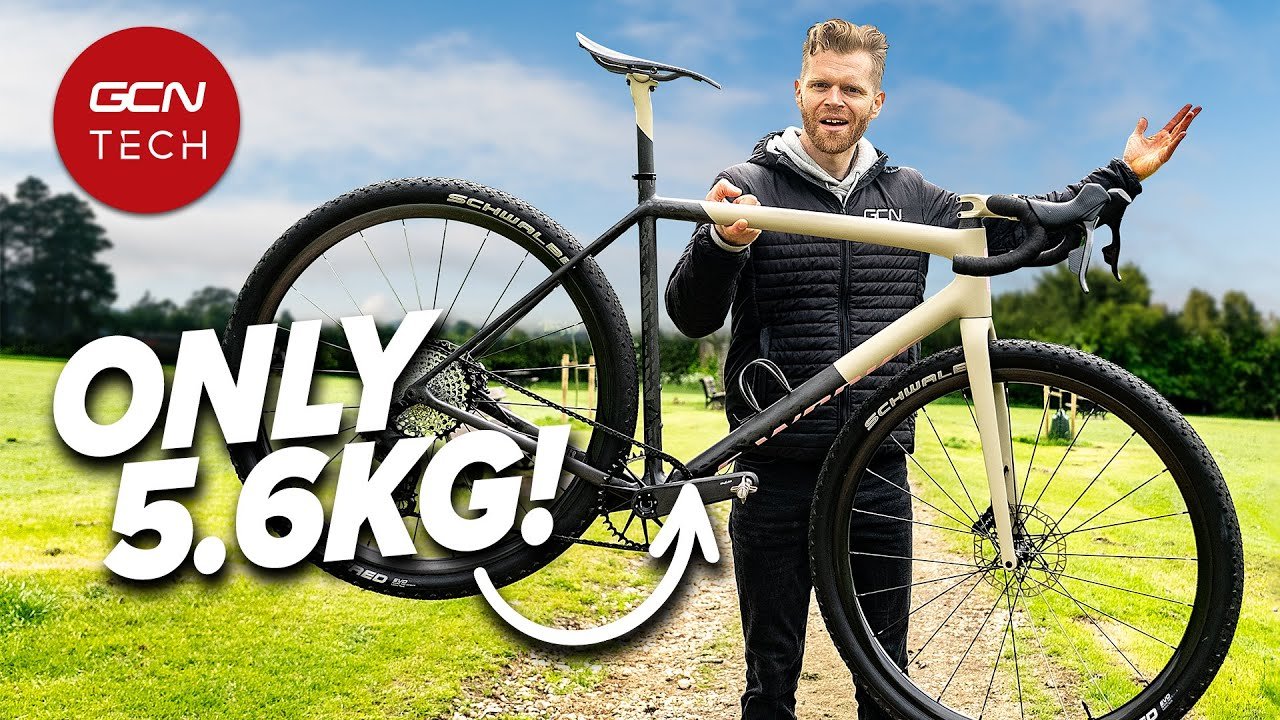
A gravel bike is a bicycle designed to ride comfortably on mixed terrain, including pavement, gravel roads, dirt trails, and light off-road paths. It combines the speed of a road bike with the durability and stability of a mountain bike.

Key Characteristics of a Gravel Bike
- Drop Handlebars
Similar to road bikes, gravel bikes use drop handlebars that allow riders to change hand positions for comfort and aerodynamics. - Wider Tires
Gravel bikes usually come with wider tires, often between 35mm and 50mm. These tires provide better traction and stability on uneven surfaces. - Relaxed Geometry
The frame geometry is designed for comfort during long rides. The riding position is more upright than a road bike. - Disc Brakes
Most gravel bikes use disc brakes, which provide strong braking performance even in wet or muddy conditions. - Mounting Points
Many gravel bikes include extra mounts for racks, water bottles, and bikepacking bags.
Because of these features, the gravel bike can easily transition between different types of terrain without sacrificing comfort or efficiency.
Why Gravel Bike Riding Is Becoming So Popular
Gravel cycling has exploded in popularity for several reasons. Riders enjoy the flexibility and adventure it offers compared to traditional cycling styles.
1. Freedom to Explore
A gravel bike allows cyclists to ride almost anywhere. Instead of staying limited to busy roads, riders can explore rural paths, gravel tracks, and scenic countryside routes.
2. Comfortable Long-Distance Riding
Gravel bikes are designed with endurance in mind. Their relaxed geometry and wider tires help absorb bumps and vibrations, making them ideal for long rides.
3. Growing Gravel Racing Community
Gravel racing events have gained huge popularity worldwide. Many cyclists enjoy participating in long-distance gravel competitions that combine endurance, strategy, and adventure.
4. Versatility
One of the biggest advantages of a gravel bike is versatility. You can use it for commuting, touring, bikepacking, fitness riding, and even light trail riding.
Gravel Bike vs Road Bike
Many cyclists wonder whether they should buy a gravel bike or a road bike. While both share some similarities, they are designed for different purposes.
Frame Geometry
A gravel bike typically has a longer wheelbase and a more relaxed geometry compared to a road bike. This improves stability on rough terrain.
Tire Clearance
Road bikes usually support narrow tires around 25–30mm. Gravel bikes allow much wider tires, which are essential for traction on loose surfaces.
Comfort
Gravel bikes focus on comfort and endurance. Road bikes prioritize speed and aerodynamic performance.
Terrain Capability
Road bikes perform best on smooth asphalt, while gravel bikes can handle multiple surfaces including gravel roads and dirt trails.
For riders who want flexibility, a gravel bike is often the better choice.
Gravel Bike vs Mountain Bike
Although gravel bikes can handle rough terrain, they are different from mountain bikes.
Suspension
Mountain bikes usually have front or full suspension systems, while gravel bikes generally use rigid frames.
Weight
A gravel bike is lighter than a mountain bike, making it faster on roads and long-distance rides.
Riding Position
Mountain bikes have flat handlebars and an upright position. Gravel_bikes use drop bars, which provide more riding positions.
Terrain
Mountain bikes are better for technical trails, rocks, and steep descents. Gravel_bikes perform best on gravel roads and smoother trails.
Key Features of a Gravel_Bike
When choosing a gravel_bike, understanding its main features will help you make the right decision.
Frame Material
Gravel_bike frames are commonly made from:
- Aluminum – Lightweight and affordable
- Carbon Fiber – Extremely light and comfortable
- Steel – Durable with a smooth ride feel
- Titanium – Premium material with excellent durability
Each material offers different benefits depending on your riding style and budget.
Tire Size and Width
Tires play a major role in gravel riding. Wider tires provide more grip and comfort on loose surfaces.
Many gravel_bikes allow riders to switch between tire sizes depending on the terrain.
Gearing System
Gravel_bikes often include wide-range gearing systems. These help riders climb steep hills and maintain speed on flat roads.
Two common drivetrain setups include:
- 1x drivetrain (single front chainring)
- 2x drivetrain (two front chainrings)
Both options have advantages depending on riding conditions.
Braking System
Hydraulic disc brakes are commonly used on modern gravel bikes. They offer strong stopping power and better control in muddy or wet conditions.
How to Choose the Right Gravel_Bike
Selecting the right gravel_bike depends on several factors.
Consider Your Riding Style
Think about how you plan to use your gravel bike.
- Adventure riding
- Bikepacking trips
- Gravel racing
- Daily commuting
Each type of riding may require slightly different_bike features.
Frame Size and Fit
A proper bike fit is essential for comfort and efficiency. Always choose the correct frame size based on your height and riding position.
Budget
Gravel bikes are available in a wide range of prices. Entry-level bikes are affordable, while high-end models with carbon frames and advanced components can be expensive.
Tire Compatibility
If you plan to ride on rough terrain, choose a gravel_bike that supports wider tires.
Gravel Bike for Bikepacking Adventures
Bikepacking is one of the most exciting uses of a gravel bike. Riders attach bags directly to the frame, handlebars, and saddle to carry gear for long trips.
Benefits of Using a Gravel_Bike for Bikepacking
- Stable geometry for long rides
- Multiple mounting points for gear
- Comfortable ride on mixed terrain
- Efficient pedaling for long distances
Many adventure cyclists prefer gravel_bikes for multi-day trips through forests, mountains, and remote areas.
Essential Gear for Gravel_Bike Riding
To fully enjoy gravel cycling, riders often use specialized gear.
Gravel Tires
High-quality gravel tires provide traction, durability, and puncture resistance.
Bikepacking Bags
These bags attach to different parts of the bike and allow riders to carry tools, food, and camping gear.
Helmet and Safety Equipment
Safety should always come first. Riders should wear helmets, gloves, and reflective clothing when necessary.
Repair Kit
A basic repair kit may include:
- Spare tube
- Tire levers
- Mini pump
- Multi-tool
Being prepared ensures that small mechanical issues do not end your ride early.
Maintenance Tips for Your Gravel_Bike
Gravel riding exposes your bike to dirt, dust, and rough conditions. Regular maintenance keeps your bike performing well.
Clean Your Bike After Rides
Dust and gravel can damage components over time. Cleaning your bike regularly helps prevent wear.
Lubricate the Chain
A properly lubricated chain improves efficiency and extends drivetrain life.
Check Tire Pressure
Tire pressure affects comfort, traction, and speed. Gravel riders often use lower pressure for better grip.
Inspect Brakes
Disc brakes should be checked frequently to ensure safe stopping power.
Gravel_Bike Events and Community
Gravel cycling has created a strong global community. Many countries now host gravel racing events that attract thousands of riders.
Popular events typically include:
- Long-distance gravel races
- Adventure rides
- Community cycling festivals
These events focus on fun, endurance, and exploration rather than just competition.
The welcoming atmosphere makes gravel cycling accessible to riders of all skill levels.
Benefits of Owning a Grave_Bike
A gravel_bike offers several advantages compared to other types of bicycles.
Versatility
You can ride it on pavement, gravel roads, and light trails.
Comfort
Its geometry and wider tires create a smoother ride.
Adventure Opportunities
Gravel_bikes encourage exploration and discovery of new routes.
Fitness
Cycling on mixed terrain provides an excellent full-body workout.
The Future of Gravel_Bikes
The cycling industry continues to innovate in the gravel_bike category. Manufacturers are developing lighter frames, better suspension systems, and more advanced drivetrain technology.
Some modern gravel bikes even include features like:
- Electronic shifting systems
- Integrated storage compartments
- Aerodynamic frame designs
As gravel cycling continues to grow, the demand for advanced gravel bikes will likely increase in the coming years.
Conclusion
The gravel_bike has transformed the cycling world by offering a perfect balance between speed, comfort, and adventure. With its ability to handle multiple terrains, it provides cyclists with the freedom to explore beyond traditional paved roads.
Whether you are a beginner looking for a versatile bicycle or an experienced rider planning long-distance adventures, a gravel bike can meet your needs. Its durable design, comfortable geometry, and wide tire clearance make it one of the most practical bikes available today.
