

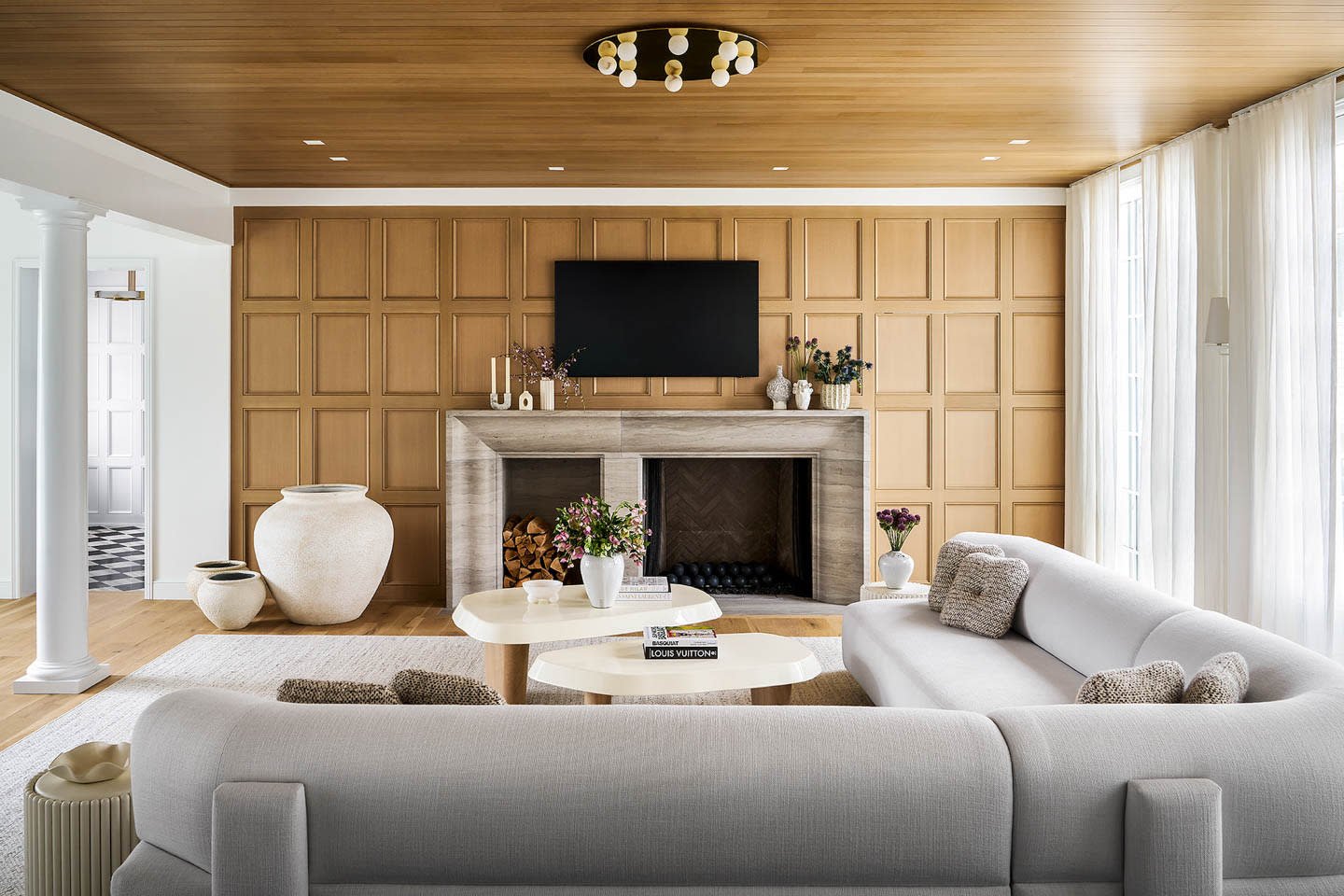
Walls are one of the most fundamental elements in architecture and interior design. Whether in residential, commercial, or public spaces, a wall serves not only as a physical barrier but also as a design element that can transform the aesthetics and Wall functionality of a space. In this article, we will explore everything about walls—their types, purposes, construction, and creative ways to utilize them in modern design.
What is a Wall?
A wall is a vertical structure that defines and protects an area. It can be made from a variety of materials including bricks, concrete, wood, or glass. Walls serve multiple purposes: providing security, dividing spaces, supporting structures, or enhancing the visual appeal of a property.
The history of walls dates back thousands of years, from ancient stone enclosures to modern high-rise building partitions. Walls are not just practical; they are also cultural symbols and artistic canvases in many societies.
Types of Walls
There are several types of walls, each serving unique functions. Understanding these types is crucial for anyone looking to build, renovate, or decorate a property.
1. Load-Bearing
Load-bearing walls are essential for the structural integrity of a building. They support the weight of the roof, floors, and other walls. Removing or altering a load-bearing wall requires careful planning and professional assistance to prevent structural damage.
2. Partition
Partition walls divide spaces without bearing significant weight. Commonly used in offices and homes, partition walls provide privacy and help organize interior layouts efficiently. They can be made from drywall, glass, or lightweight bricks.
3. Retaining
A retaining wall is designed to hold back soil or water. These walls are commonly found in landscaping, gardens, and hilly areas. Retaining walls can prevent soil erosion and add aesthetic value to outdoor spaces.
4. Curtain
Curtain walls are non-structural walls often used in modern commercial buildings. Typically made of glass and metal frames, curtain walls allow natural light to enter the building while protecting it from weather elements.
5. Soundproof
Soundproof walls are designed to reduce noise transmission between rooms. They are particularly useful in apartments, offices, studios, and home theaters. Materials like acoustic panels, insulation, and special drywall enhance soundproofing efficiency.
Functions
Walls are not just structural elements; they serve a variety of functional and aesthetic purposes.
1. Security and Privacy
A wall provides security by restricting access to unwanted areas and protecting properties. Residential walls, fences, and boundary walls ensure privacy and safety.
2. Space Division
Walls help divide a larger space into functional areas. Partition walls in offices create individual workspaces, while interior walls in homes separate living rooms, kitchens, and bedrooms.
3. Insulation and Climate Control
Walls can act as thermal and acoustic insulators. Thick walls made of brick, stone, or insulated panels can keep interiors cool in summer and warm in winter while minimizing noise from outside.
4. Aesthetic Appeal
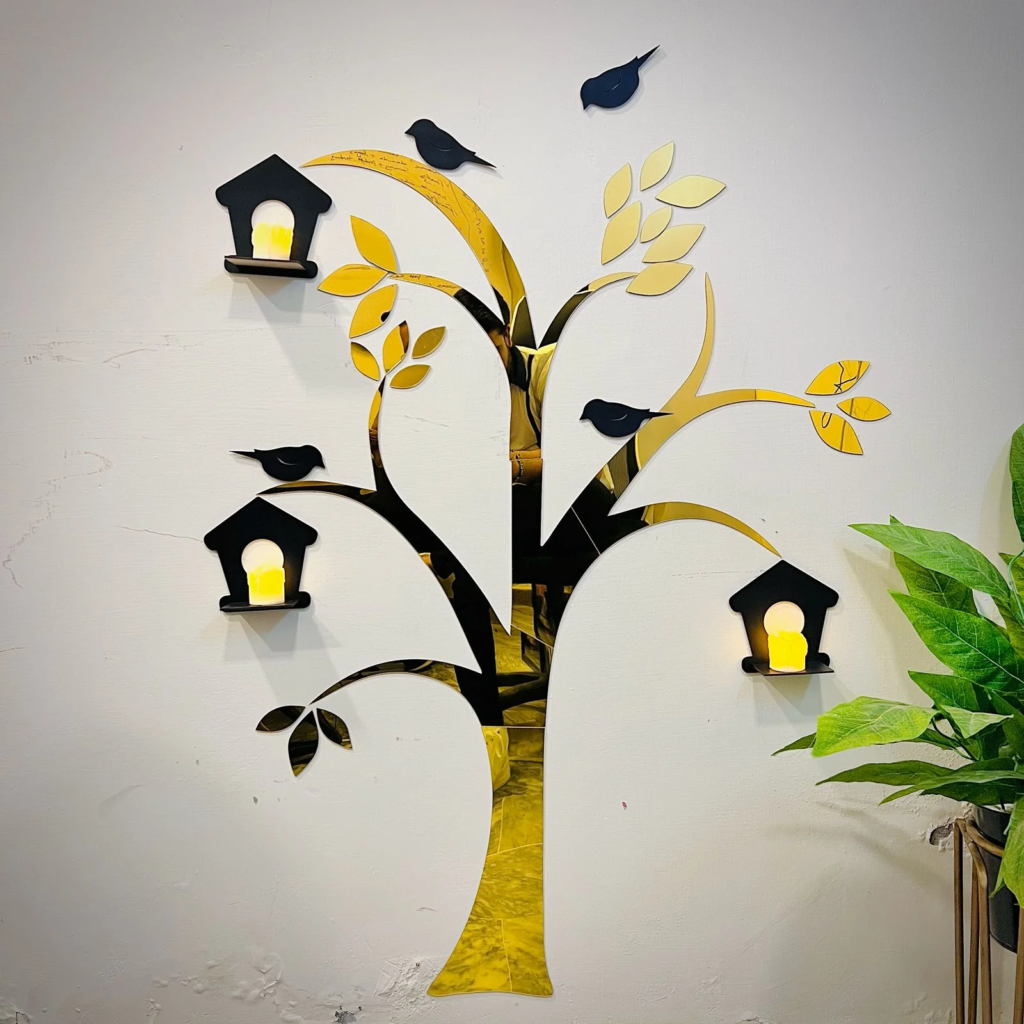
Walls are an essential design feature. Through the use of paint, wallpaper, murals, or decorative panels, a simple wall can become a focal point in any room. Accent walls are particularly popular for adding character to interiors.
Materials Used in Wall Construction
Selecting the right material for a wall is essential for durability, functionality, and design. Some common materials include:
1. Brick
Brick walls are durable, fire-resistant, and provide excellent insulation. They are versatile for both traditional and modern designs.
2. Concrete
Concrete walls are strong, long-lasting, and can support heavy loads. Precast concrete panels are commonly used in commercial and industrial construction.
3. Wood
Wooden walls offer warmth and a natural aesthetic. They are popular in residential homes, cabins, and decorative interiors.
4. Glass
Glass walls create openness and light flow. They are often used in offices, showrooms, and modern homes to achieve a spacious look.
5. Drywall
Drywall is lightweight, cost-effective, and easy to install. It is commonly used for interior partition walls and allows for smooth finishes that can be painted or decorated.
Creative Wall Ideas for Interior Design
Walls are more than boundaries; they are canvases for creativity. Here are some ideas to enhance your space using walls:
1. Accent Walls
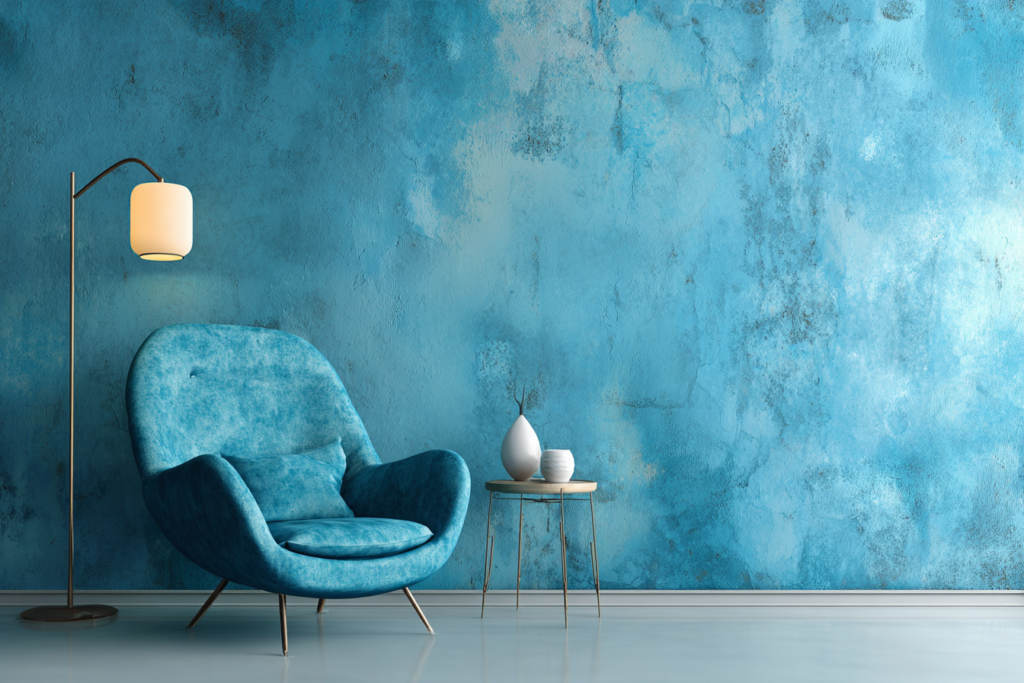
An accent wall uses a different color, texture, or material to stand out. For example, a dark-painted wall behind a bed or a textured stone wall in the living room adds depth and interest.
2. Wall Art and Murals
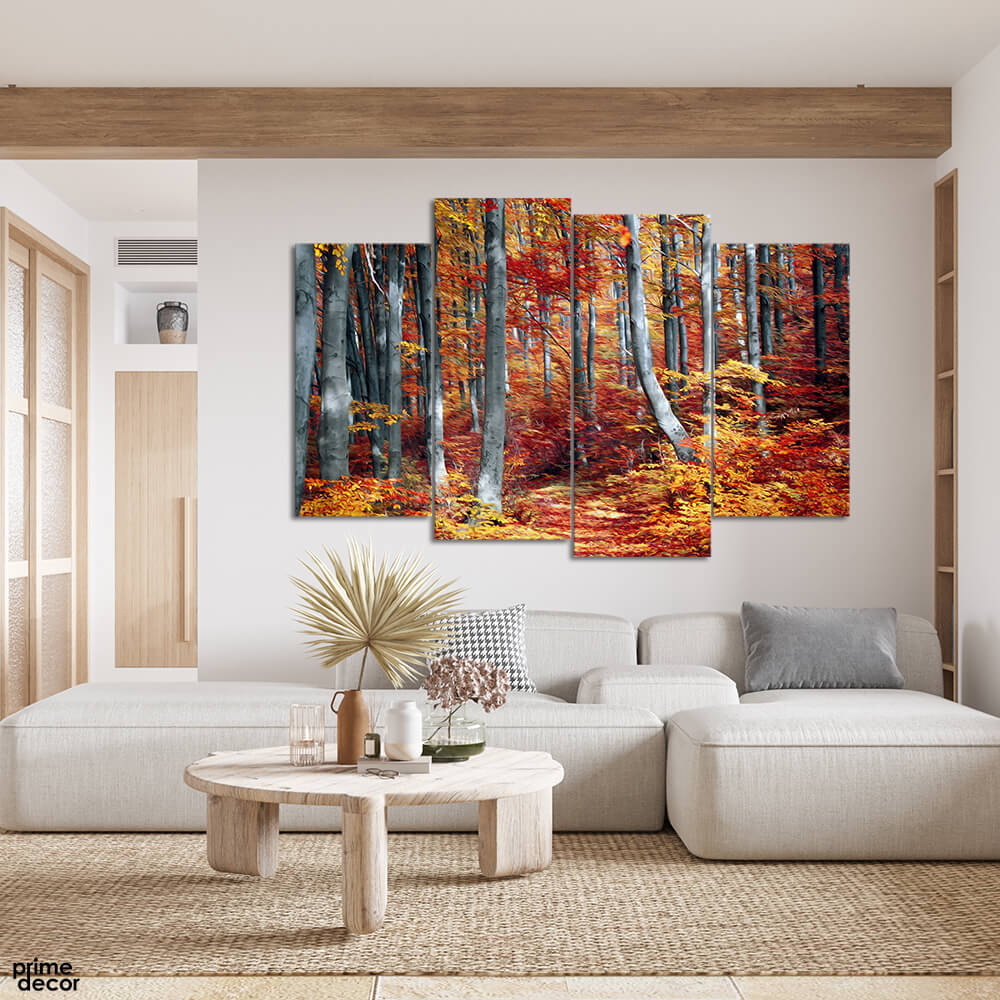
Artwork and murals transform walls into visual attractions. Large-scale paintings, graffiti art, or framed collections can give personality to any room.
3. Shelving and Storage
Walls can double as storage solutions. Floating shelves, built-in cabinets, and wall-mounted organizers save space while keeping interiors stylish.
4. Green Walls
Vertical gardens or green walls are an innovative way to bring nature indoors. These walls improve air quality, reduce stress, and add a lush aesthetic.
5. Feature Lighting
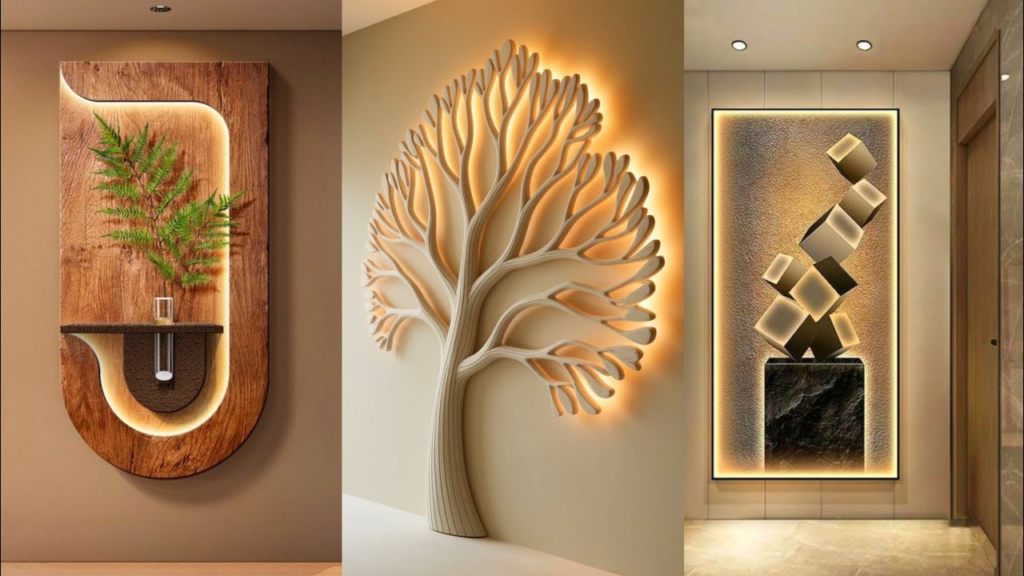
Installing lighting fixtures on walls highlights textures, colors, or art pieces. LED strips, sconces, and uplighting can make walls functional and decorative simultaneously.
Wall Maintenance Tip
Maintaining a wall is key to preserving its functionality and appearance. Some tips include:
- Regular cleaning to remove dust, dirt, and stains.
- Inspecting for cracks, water damage, or mold and repairing them promptly.
- Repainting or refinishing walls periodically to maintain aesthetics.
- Using protective coatings for external walls to withstand weather elements.
Walls in Landscaping and Outdoor Spaces
Walls are not just for interiors. In gardens, patios, and outdoor spaces, walls serve practical and decorative purposes:
- Retaining Walls: Support soil and prevent erosion on sloped terrains.
- Boundary Walls: Define property limits and provide security.
- Garden Walls: Act as planters or backdrops for flowers and climbing plants.
- Privacy Walls: Block views from neighboring properties for seclusion.
Future of Wall Design
Modern architecture continues to innovate with wall materials, construction techniques, and designs. Smart walls with integrated technology, energy-efficient materials, and eco-friendly construction are gaining popularity.
For instance, walls with built-in solar panels, insulation, or LED panels can transform traditional structures into functional, sustainable, and visually appealing spaces. Modular wall systems also allow for flexibility, easy installation, and space optimization in both commercial and residential buildings.
Conclusion
A wall is far more than just a structural necessity; it is a versatile element that combines functionality, security, and design. From traditional brick and concrete walls to modern glass and eco-friendly designs, walls define the spaces we live, work, and play in. Understanding the types, purposes, materials, and creative applications of walls allows homeowners, designers, and architects to maximize their potential and create spaces that are both functional and visually captivating.
Whether you are building a new home, renovating an office, or decorating your interior, paying attention to walls will significantly enhance the overall environment.
