

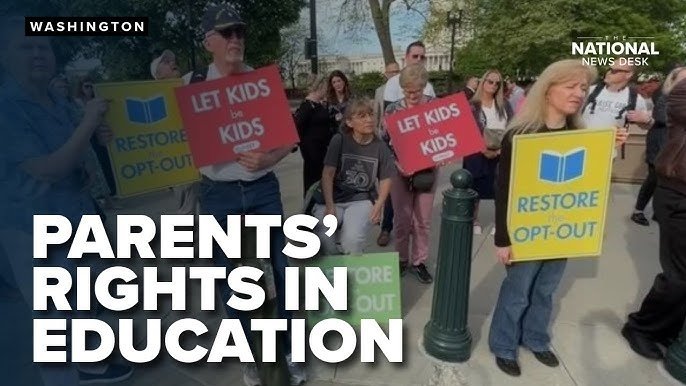
Education plays a critical role in shaping the future of children, and parents are often at the forefront of ensuring that their children receive the best possible learning experience. One aspect of parental involvement that has gained significant attention in recent years is the concept of parental opt-out rights in education. These rights allow parents to make informed decisions regarding their child’s participation in certain school activities, assessments, or programs. This article explores the nuances of these rights, their legal basis, practical implications, and how parents can exercise them effectively.
What Are Parental Opt-Out Rights in Education?
Parental opt-out rights in education refer to the legal or policy-based rights that allow parents to withhold their child from certain educational activities. These activities may include standardized testing, specific classroom assignments, surveys, or programs that touch on sensitive topics. The primary aim of these rights is to empower parents with the authority to make decisions aligned with their family values, beliefs, and the best interests of their child.
In the United States, these rights are governed by a mix of federal, state, and local regulations. While federal laws provide general protections, state policies often detail the procedures for exercising opt-out rights in schools.
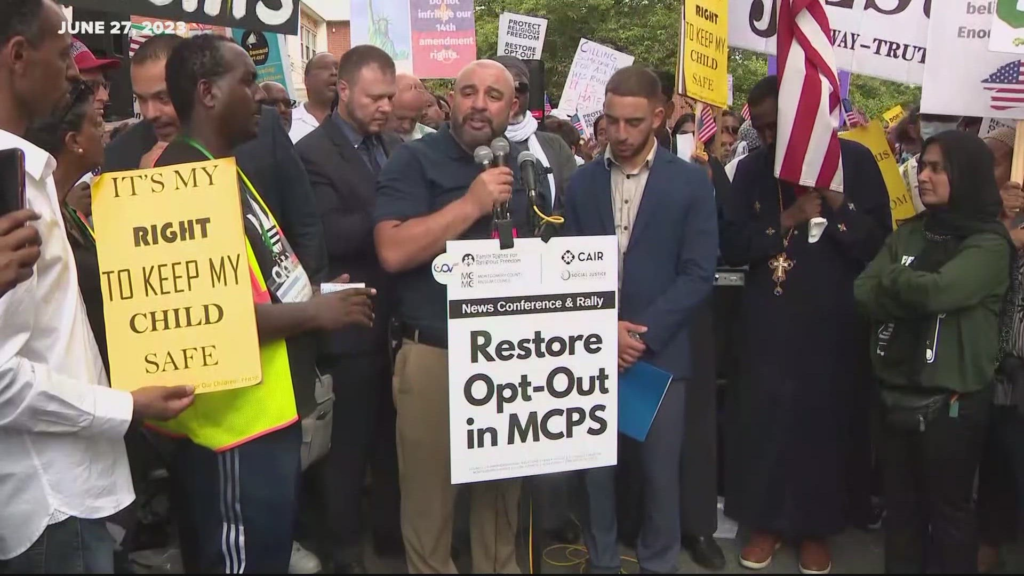
Legal Basis for Parental Opt-Out Rights in Education
The foundation of parental opt-out rights in education lies in both federal and state-level legislation. Some key laws include:
- The Family Educational Rights and Privacy Act (FERPA) – FERPA grants parents the right to access their child’s educational records and to control certain aspects of data collection, such as surveys or assessments conducted by schools.
- No Child Left Behind Act (NCLB) – Under NCLB, parents have the authority to opt their children out of state-mandated standardized tests if they choose.
- State-specific legislation – Many states have passed laws explicitly outlining parental rights to refuse participation in certain programs, including sex education, vaccinations, or psychological assessments. For instance, states like California and New York provide detailed procedures for parents to exercise opt-out rights in public schools.
Understanding these laws helps parents ensure that their decisions are legally supported, avoiding potential conflicts with school authorities.
Importance of Parental Opt-Out Rights in Education
The significance of parental opt-out rights in education cannot be overstated. These rights:
- Protect Family Values: Parents can ensure that their child’s exposure to sensitive topics aligns with family beliefs.
- Promote Informed Decision-Making: Parents receive the opportunity to evaluate the content, purpose, and implications of certain educational activities before consenting.
- Enhance Student Well-being: Opting out of programs or assessments that might cause stress, anxiety, or discomfort supports the child’s emotional health.
- Encourage School Accountability: Schools must provide transparent information about curriculum and assessments when parents have the right to opt out, promoting accountability and trust.
Common Areas Where Parents Exercise Opt-Out Rights
Parents may use parental opt-out rights in education in a variety of contexts. Some of the most common areas include:
1. Standardized Testing
Standardized tests often serve as a critical measure of school performance and student achievement. However, some parents choose to opt their children out of these tests due to concerns about stress, test validity, or disagreement with testing methods.
2. Sex Education and Health Programs
Many school programs involve sexual education or health-related topics. Parents have the right to opt their children out of classes or activities that conflict with personal or religious beliefs.
3. Surveys and Data Collection
Schools may conduct surveys on sensitive topics, such as mental health, substance use, or family background. Under FERPA and state-specific laws, parents can refuse consent for participation in these surveys.
4. Vaccination and Health Initiatives
In some states, parents can opt out of school-mandated health initiatives, such as vaccination campaigns, based on religious or medical exemptions.
How Parents Can Exercise Their Opt-Out Rights
Exercising parental opt-out rights in education typically requires a few important steps:
- Understand School Policies: Parents should review school handbooks and official notices to understand available opt-out options.
- Submit Written Requests: Most schools require a formal written notice to opt a child out of an activity. This notice should clearly reference the child’s name, class, and the specific program or activity being declined.
- Follow Deadlines: Opt-out requests often have strict deadlines, especially for standardized tests or surveys. Parents should ensure timely submission.
- Communicate With Educators: A respectful discussion with teachers or administrators can help clarify expectations and ensure smooth implementation of the opt-out request.
- Know Your Rights: Familiarity with federal and state laws ensures that parents can confidently exercise their rights without legal complications.
Challenges in Exercising Parental Opt-Out Rights
Despite their importance, exercising parental opt-out rights in education can present challenges:
- Lack of Awareness: Many parents are unaware of their rights or the procedures to opt out.
- Resistance from Schools: Some school officials may discourage opt-outs due to funding or performance concerns.
- Varied Regulations: Differences in state and district policies can create confusion about eligibility and procedures.
- Academic Implications: Opting out of certain assessments or programs might have indirect effects on a child’s academic record or participation in school rankings.
Parents must navigate these challenges carefully to protect their child’s rights without negatively affecting their educational experience.
The Role of Advocacy and Support Networks
Advocacy groups and parent organizations play a crucial role in supporting parental opt-out rights in education. These networks provide resources, templates for opt-out letters, and guidance on legal matters. Examples include:
- Parent-Teacher Associations (PTAs): PTAs often help educate parents about their rights and facilitate communication with schools.
- Legal Aid Organizations: Some organizations provide legal advice for parents navigating complex education laws.
- Online Communities: Social media groups and forums can connect parents with similar concerns and experiences, offering practical tips and moral support.
Case Studies Highlighting Parental Opt-Out Rights
Examining real-life scenarios can illustrate the practical application of parental opt-out rights in education:
Case Study 1: Opting Out of Standardized Testing
A family in New Jersey opted their child out of statewide assessments due to concerns about test stress. The school respected the request after reviewing state guidelines and provided alternative assignments to ensure academic progression.
Case Study 2: Refusal of Sex Education Classes
In Texas, parents opted their children out of sex education lessons. School officials provided alternative instructional materials, respecting the family’s values while maintaining curriculum requirements.
Case Study 3: Survey Participation
A district in California required parental consent for student surveys about mental health. Many parents exercised their opt-out rights to protect privacy, demonstrating the effective use of federal and state laws.
Future Trends in Parental Opt-Out Rights
The landscape of parental opt-out rights in education continues to evolve. Emerging trends include:
- Digital Privacy Concerns: As schools increasingly use technology for learning, parents are more concerned about data collection and digital consent.
- Expanded Curriculum Options: Schools are providing more alternative programs for students whose parents exercise opt-out rights.
- Legislative Updates: States are updating policies to clarify procedures and ensure parental rights are protected in diverse educational contexts.
These trends highlight the ongoing importance of parental engagement and informed decision-making.
Conclusion
Understanding parental opt-out rights in education empowers parents to take an active role in their child’s educational journey. By knowing the legal framework, practical applications, and potential challenges, parents can make decisions that reflect their values and protect their child’s well-being. Schools and districts benefit as well, fostering transparency, trust, and collaborative communication with families.
For every parent, awareness and proactive engagement are key to ensuring that these rights are exercised effectively, creating a balanced educational environment that respects both institutional standards and family choices.
