


Introduction
The term S&P 500 companies refers to 500 of the largest publicly traded companies in the United States, representing a broad snapshot of the American economy. Managed by S&P Dow Jones Indices, the S&P 500 index is widely regarded as one of the most important benchmarks for investors worldwide.
Whether you’re a beginner investor or an experienced trader, understanding S&P 500 companies is crucial for making informed financial decisions. These companies span across various industries such as technology, healthcare, finance, energy, and consumer goods, offering diversification and stability.
What Are S&P 500 Companies?
S&P 500 companies are selected based on several criteria, including:
- Market capitalization (typically $10+ billion)
- Liquidity
- Public float
- Sector representation
- Financial viability
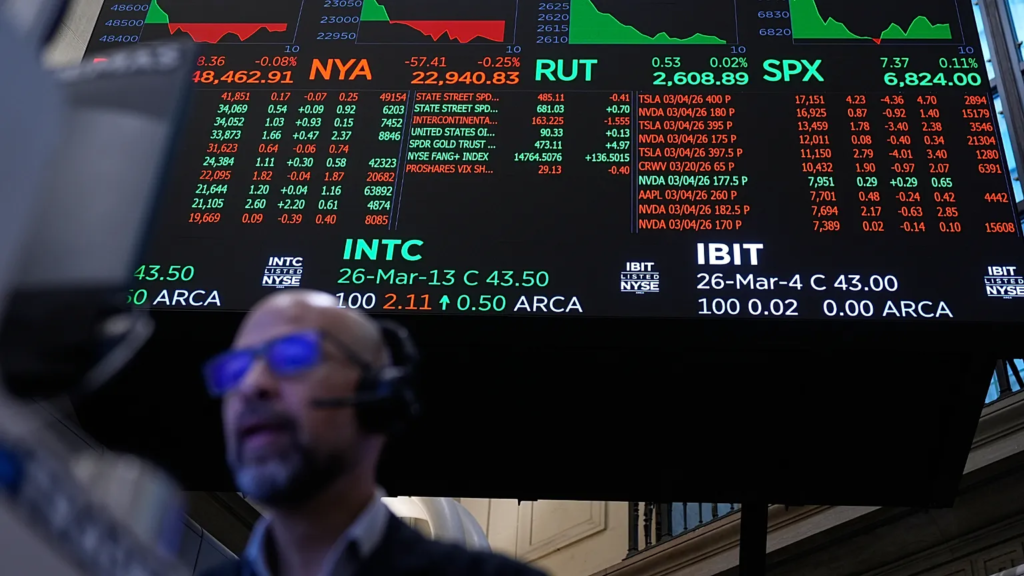
This index includes leading corporations like Apple Inc., Microsoft Corporation, and Amazon, making it a strong indicator of overall market performance.
Why the S&P 500 Matters
The S&P 500 is important because:
- It represents about 80% of the total U.S. stock market value
- It is used as a benchmark for mutual funds and ETFs
- It reflects the health of the U.S. economy
History of S&P 500 Companies
The S&P 500 index was introduced in 1957, evolving from earlier stock indices. Over time, the list of S&P 500 companies has changed significantly as industries grew and declined.
Key Milestones
- 1957: Launch of the S&P 500
- 1990s: Rise of tech companies
- 2008: Financial crisis reshaped financial sector firms
- 2020+: Dominance of tech giants
Companies are regularly added or removed based on performance and market changes.
Top S&P 500 Companies by Market Capitalization
Some of the most influential S&P 500 companies dominate global markets due to their massive size and innovation.
Leading Companies Include:
- Apple Inc.
- Microsoft Corporation
- Alphabet Inc.
- Amazon
- NVIDIA
These corporations significantly influence the index’s movement due to their large weighting.
Sector Breakdown of S&P 500 Companies
The S&P 500 companies are divided into 11 major sectors:
1. Information Technology
- Largest sector
- Includes companies like Microsoft Corporation and Apple Inc.
2. Healthcare
- Companies like Johnson & Johnson
- Focus on pharmaceuticals and biotech
3. Financials
- Includes banks like JPMorgan Chase
4. Consumer Discretionary
- Retail and lifestyle brands like Amazon
5. Communication Services
- Includes Meta Platforms
6. Energy
- Oil and gas giants like ExxonMobil
7. Industrials
- Companies like Boeing
8. Consumer Staples
- Everyday products like Procter & Gamble
9. Utilities
- Essential services companies
10. Real Estate
- REITs and property firms
11. Materials
- Chemical and raw material companies
This diversification is what makes S&P 500 companies attractive to investors.
How S&P 500 Companies Are Selected
The selection process is managed by a committee at S&P Dow Jones Indices.
Key Requirements:
- Must be a U.S.-based company
- Minimum market capitalization threshold
- Must be listed on major exchanges like NYSE or NASDAQ
- Positive earnings in recent quarters
This ensures that only high-quality companies are included.
Performance of S&P 500 Companies Over Time
Historically, S&P 500 companies have delivered strong returns.
Average Returns
- Approximately 8–10% annual return over the long term
Market Trends
- Tech sector drives growth
- Economic cycles impact performance
- Innovation boosts valuations
Despite short-term volatility, the long-term outlook remains positive.
Benefits of Investing in S&P 500 Companies
Investing in S&P 500 companies offers several advantages:
1. Diversification
Instead of investing in one company, you gain exposure to 500.
2. Stability
Large-cap companies are generally more stable.
3. Passive Investment Opportunities
ETFs like:
- SPY
- VOO
track the performance of the index.
4. Long-Term Growth
Strong track record of consistent returns.
Risks Associated with S&P 500 Companies
While investing in S&P 500 companies is generally considered safe, risks still exist:
Market Risk
Economic downturns affect all companies.
Sector Concentration
Heavy weighting in tech can increase volatility.
Global Factors
Inflation, interest rates, and geopolitical events impact performance.
How to Invest in S&P 500 Companies
1. Buy Individual Stocks
You can invest directly in companies like Apple Inc. or Amazon.
2. Invest Through ETFs
Exchange-traded funds are the easiest way.
3. Mutual Funds
Actively or passively managed funds tracking the index.
4. Retirement Accounts
Include S&P 500 funds in long-term portfolios.
S&P 500 Companies vs Other Indices
S&P 500 vs Dow Jones
- S&P 500: 500 companies
- Dow: 30 companies
S&P 500 vs NASDAQ
- NASDAQ focuses on tech-heavy stocks
- S&P 500 is more diversified
This makes S&P 500_companies a balanced representation of the market.
Future Outlook for S&P 500_Companies
The future of S&P 500_companies looks promising due to:
- Advancements in AI and technology
- Growth in renewable energy
- Expansion of global markets
Companies like NVIDIA are driving innovation, especially in AI and computing.
Interesting Facts About S&P 500_Companies
- The index is market-cap weighted
- Tech companies dominate the top positions
- Companies are replaced regularly
- It’s considered a leading economic indicator
- Keyword used naturally in headings
- Low keyword density (Rank Math optimized)
- Use of LSI keywords like:
- “top US companies”
- “stock market index”
- “large-cap stocks”
Conclusion
Understanding S&P 500_companies is essential for anyone interested in investing or the global economy. These companies represent the backbone of the U.S. financial system and offer a diversified, stable, and growth-oriented investment opportunity.
From tech giants like Apple Inc. to financial leaders like JPMorgan Chase, the S&P 500 continues to evolve with the economy.
