


Introduction:
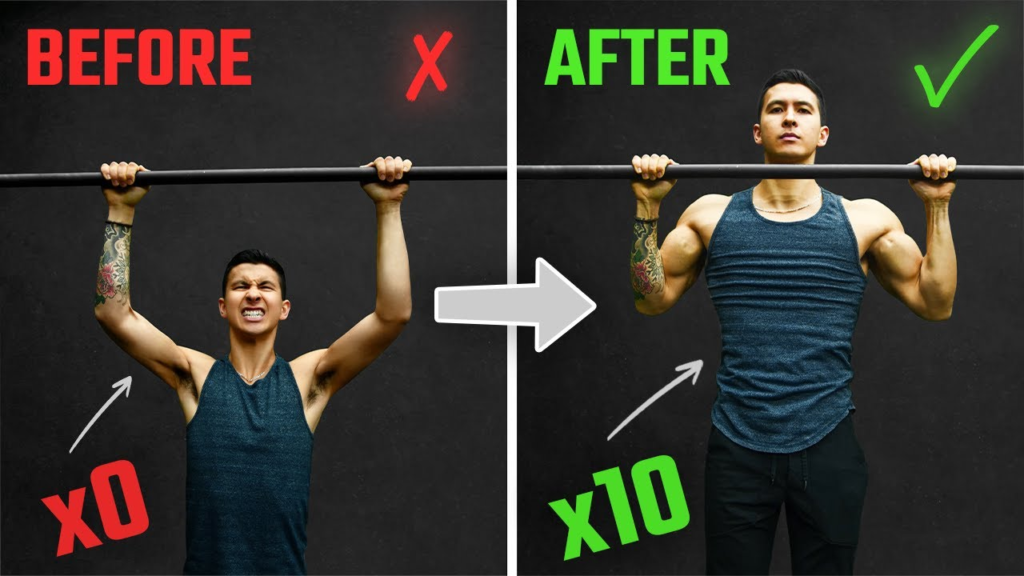
If you want to build upper body strength, improve posture, and develop functional fitness, mastering how to do a pullup is one of the best goals you can set. This classic bodyweight exercise targets multiple muscle groups and is a benchmark of true strength.
However, many beginners struggle with pullups because they require proper technique, strength, and consistency. The good news is that anyone can learn how to do a pullup with the right approach.
What Is a Pullup?
How to Do a Pullup a bodyweight exercise where you pull yourself up on a bar until your chin goes above it. It primarily targets your upper body and core.
Muscles Worked in a Pullup
- Back muscles (latissimus dorsi)
- Biceps
- Shoulders
- Core
Understanding these muscles is essential when learning how to do a pullup effectively.
Benefits of Learning How to Do a Pullup
1. Builds Upper Body Strength
Pullups are one of the most effective exercises for developing back and arm strength.
2. Improves Grip Strength
Holding onto the bar strengthens your hands and forearms.
3. Enhances Posture
Strong back muscles help maintain proper posture.
4. No Equipment Needed (Minimal)
You only need a sturdy bar.
How to Do a Pullup Step by Step


Step 1: Grip the Bar
Use an overhand grip (palms facing away), slightly wider than shoulder-width.
Step 2: Start from a Dead Hang
Hang fully extended with arms straight and shoulders engaged.
Step 3: Engage Your Core
Tighten your core to stabilize your body.
Step 4: Pull Yourself Up
Pull your chest toward the bar, not just your chin.
Step 5: Chin Above the Bar
Lift until your chin clears the bar.
Step 6: Lower Slowly
Control your descent back to the starting position.
Practicing these steps regularly will help you master how to do a pullup efficiently.
Common Mistakes When Learning How to Do a Pullup
1. Using Momentum (Kipping)
Swinging reduces effectiveness and increases injury risk.
2. Partial Range of Motion
Always go from full hang to chin above the bar.
3. Incorrect Grip
Too wide or too narrow grip can reduce performance.
4. Not Engaging the Core
Leads to poor form and instability.
Beginner Tips for How to Do a Pullup


1. Use Resistance Bands
Bands help reduce body weight and build strength gradually.
2. Practice Negative Pullups
Jump up and slowly lower yourself down.
3. Try Assisted Pullup Machines
These machines support your weight.
4. Strengthen Supporting Muscles
Focus on back and arm exercises.
Exercises to Improve How to Do a Pullup
To master how to do a pullup, include these exercises in your routine:
Lat Pulldowns
Mimic the pullup motion and build strength.
Dead Hangs
Improve grip strength and endurance.
Inverted Rows
Strengthen the back with less resistance.
Bicep Curls
Help with pulling power.
How Long Does It Take to Learn How to Do a Pullup?
The time varies depending on your fitness level:
- Beginners: 4–8 weeks
- Intermediate: 2–4 weeks
- Advanced: Few days (refinement only)
Consistency is the key to success.
Advanced Variations After Mastering How to Do a Pullup

1. Weighted Pullups
Add extra resistance for strength gains.
2. Wide-Grip Pullups
Target upper back muscles more intensely.
3. Chin-Ups
Use an underhand grip for more bicep involvement.
4. Muscle-Ups
A combination of pullup and dip—very advanced.
How to Do a Pullup at Home
You don’t need a gym to learn how to do a pullup.
Options:
- Doorway pullup bars
- Outdoor bars (parks)
- DIY setups
Consistency matters more than location.
Pullup Workout Plan for Beginners
Day 1:
- Dead hangs (3 sets)
- Assisted pullups (3 sets)
Day 2:
- Lat pulldowns (3 sets)
- Negative pullups (3 sets)
Day 3:
- Rest or light activity
Repeat weekly for best results.
Nutrition Tips to Support Pullup Strength
Eat Enough Protein
Helps muscle recovery and growth.
Stay Hydrated
Improves performance.
Maintain Healthy Weight
Lower body weight makes pullups easier.
Mental Strategies for Learning How to Do a Pullup
Stay Consistent
Practice regularly.
Track Progress
Celebrate small improvements.
Stay Patient
Strength takes time to build.
FAQs About How to Do a Pullup
Why can’t I do a pullup?
Lack of strength is the main reason. Start with assisted exercises.
Are pullups harder than pushups?
Yes, because they require lifting your full body weight.
Can beginners learn how to do a pullup?
Absolutely—with proper training and consistency.
Conclusion: Mastering How to Do a_Pullup
Learning how to do a_pullup is a rewarding fitness journey. It builds strength, improves confidence, and enhances overall health. While it may seem challenging at first, consistent practice and proper technique will help you achieve your goal.
Start with the basics, follow a structured plan, and gradually progress. Before you know it, you’ll be performing pullups with ease.
