

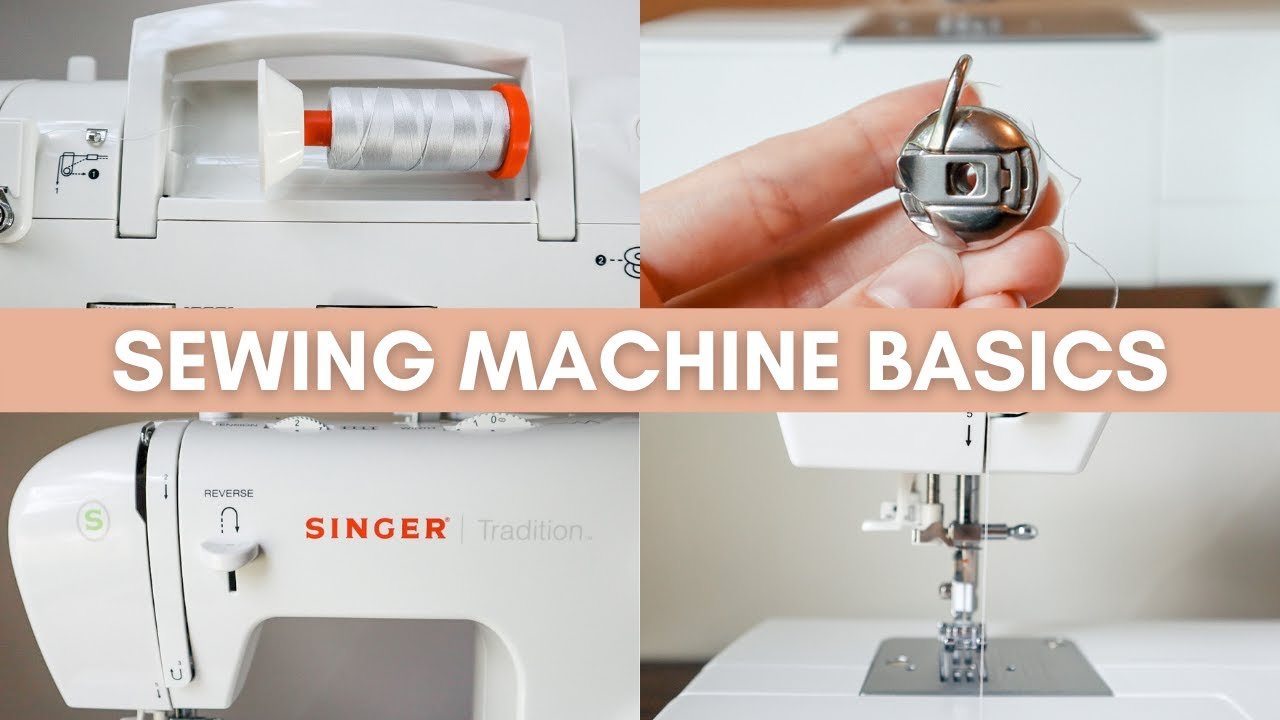
Sewing has been an essential skill for centuries, and with the advancement of technology, sewing machines have evolved to make stitching faster, easier, and more precise. Among all sewing machine brands, the Singer sewing machine stands out as a global leader in quality, reliability, and innovation. Whether you are a beginner learning the craft, a professional tailor, or a hobbyist, a Singer sewing machine can significantly enhance your sewing experience.
What Is a Singer Sewing Machine?
A Singer sewing machine is a type of mechanical or electronic sewing machine manufactured by Singer Corporation, a brand known for its innovation in the sewing industry. Singer has been producing sewing machines for over 160 years, gaining a reputation for durability, ease of use, and versatility.
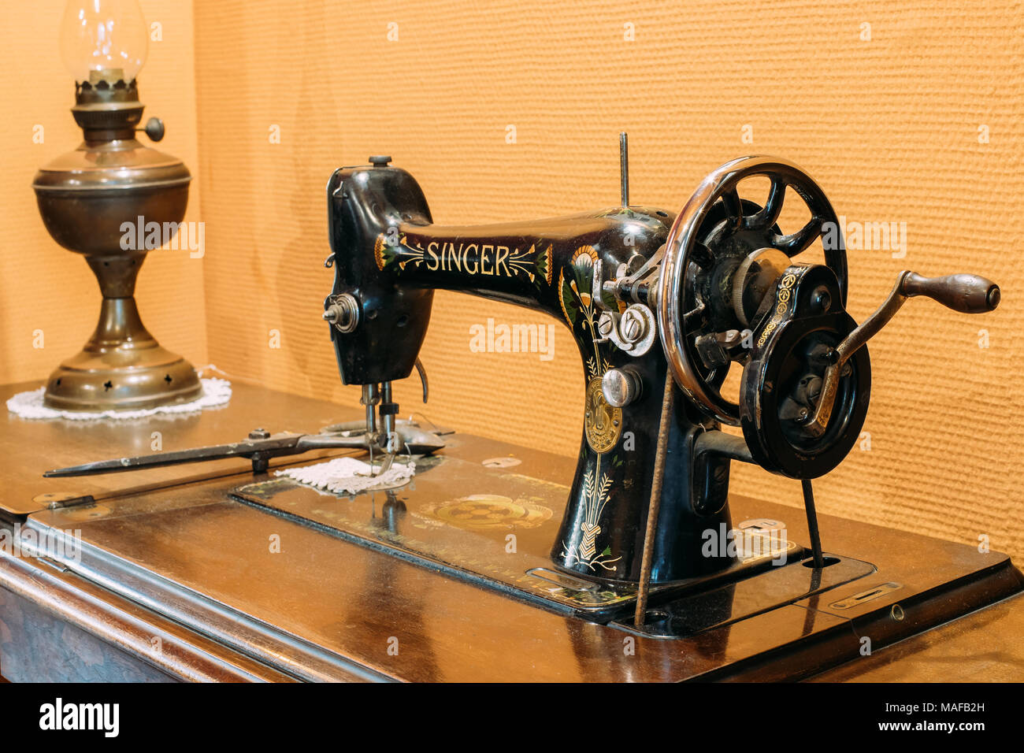
Key Features of a Singer Sewing Machine
- Durable construction: Long-lasting metal and plastic components
- Multiple stitch patterns: Straight, zigzag, decorative, and stretch stitches
- Adjustable speed: Suitable for beginners and advanced users
- Automatic needle threading: Reduces time and effort
- Free arm design: For sewing cuffs, collars, and sleeves easily
- Foot pedal operation: Offers precise control over stitching speed
With these features, a Singer sewing machine caters to home use, professional tailoring, and industrial applications.
History of Singer Sewing Machines
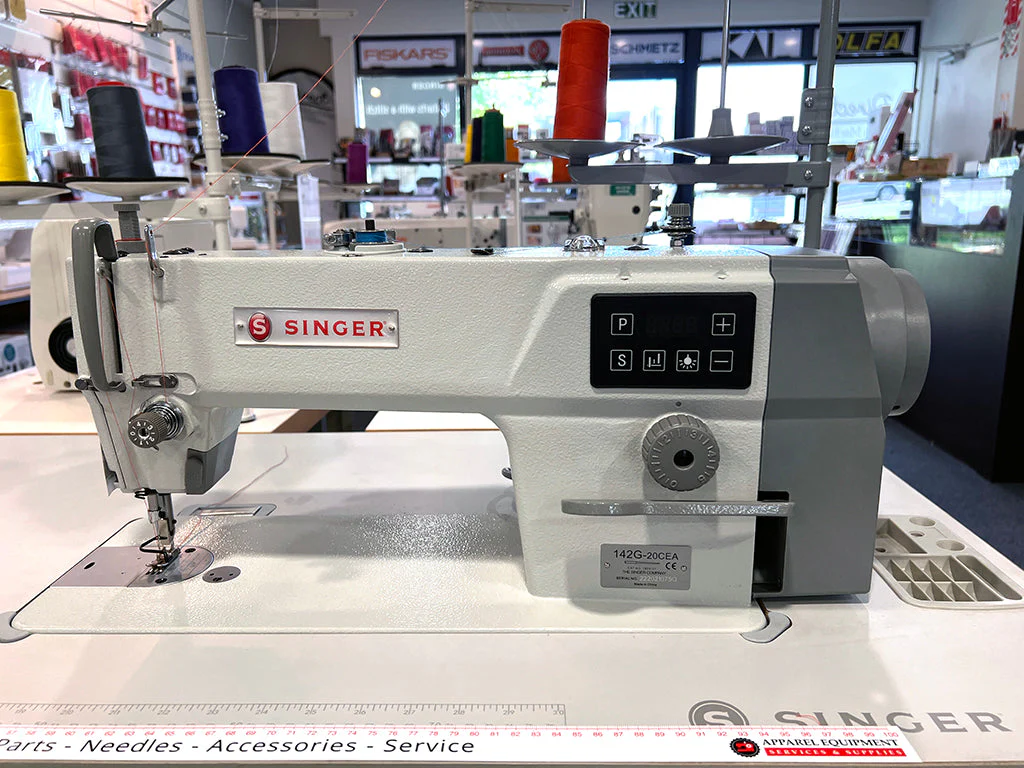
The Singer Corporation was founded in 1851 by Isaac Merritt Singer in the United States. The company revolutionized sewing by introducing the first practical sewing machine that was easy to operate at home. Over time, Singer became synonymous with sewing machines worldwide, consistently innovating with new features and designs.
Some milestones in Singer sewing machine history include:
- 1851: First patented Singer sewing machine
- 1900s: Mass production and global expansion
- 1950s: Introduction of electric sewing machines
- 2020s: Computerized and smart sewing machines
Today, Singer continues to lead the market with a range of machines designed for different skill levels and purposes.
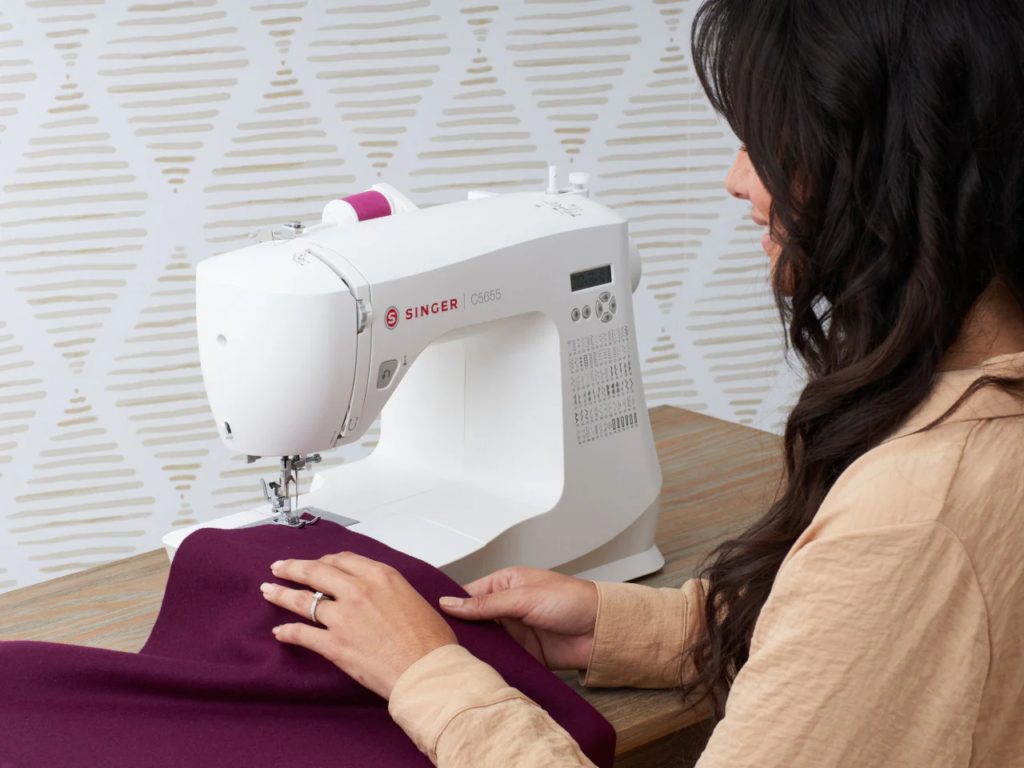
Types of Singer Sewing Machines
Singer offers a variety of sewing machines to meet different needs. Understanding the types will help you choose the right one.
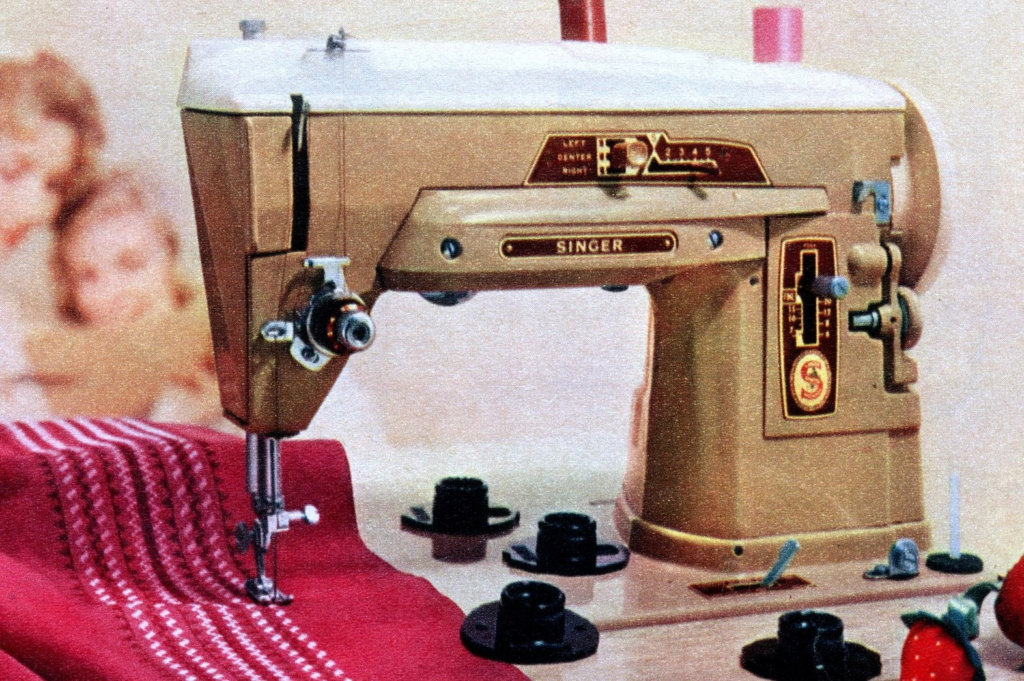
1. Mechanical Singer Sewing Machines
These are traditional machines that rely on manual controls and mechanical components. They are:
- Durable and long-lasting
- Easy to repair
- Ideal for beginners learning basic stitches
2. Electronic Singer Sewing Machines
These machines include electronic controls for speed, stitch selection, and patterns. Features include:
- Multiple stitch options
- Adjustable sewing speed
- Automatic features such as needle threading and stitch length
3. Computerized Singer Sewing Machines
Advanced machines with built-in computer technology offer:
- Hundreds of stitch patterns
- Memory functions for custom designs
- LCD display for easy navigation
- Embroidery capabilities
4. Heavy-Duty Singer Sewing Machines
Designed for professional use, heavy-duty machines can handle:
- Thick fabrics like denim and leather
- Continuous, long-term stitching
- Industrial-grade performance
5. Portable and Compact Singer Sewing Machines
Ideal for hobbyists or small spaces:
- Lightweight and easy to store
- Battery or USB powered options
- Basic and advanced stitch features
Features of Singer Sewing Machines
Modern Singer sewing machines come packed with features that enhance convenience and creativity.
1. Multiple Stitch Patterns
Singer machines often include:
- Straight stitch
- Zigzag stitch
- Blind hem stitch
- Decorative stitches
- Stretch stitches for knit fabrics
2. Automatic Needle Threading
This feature simplifies threading, saving time and reducing eye strain.
3. Adjustable Stitch Length and Width
Allows precision in sewing different fabrics and projects.
4. Free Arm Design
Makes sewing cylindrical items like sleeves and pant legs easier.
5. Speed Control
Most Singer machines include adjustable speed, allowing beginners to sew slowly while professionals work faster.
6. Built-In Lighting
LED lights help illuminate the sewing area for precision, especially in low-light conditions.
7. Accessory Storage
Many Singer machines include compartments for bobbins, presser feet, and needles for easy organization.
Advantages of Using a Singer Sewing Machine
Owning a Singer sewing machine comes with numerous benefits.
1. Durability and Reliability
Singer machines are known for lasting decades, making them a worthwhile investment.
2. Versatility
Suitable for a wide range of fabrics, from cotton and silk to denim and leather.
3. Easy to Use
Designed for both beginners and experts, with intuitive controls and manuals.
4. Saves Time
Automatic features like needle threading, stitch selection, and bobbin winding reduce manual effort.
5. Encourages Creativity
With multiple stitch options and patterns, users can create unique clothing, accessories, and crafts.
6. Cost-Effective
Long-term durability and minimal maintenance make Singer machines a cost-effective choice compared to cheap alternatives.
How to Maintain Your Singer Sewing Machine
Proper maintenance ensures your Singer sewing machine operates efficiently for years.
Cleaning
- Remove lint and dust after every use
- Use a soft brush or compressed air
Oil and Lubrication
- Oil the machine according to the manual
- Avoid over-lubrication
Needle Replacement
- Replace needles regularly to prevent fabric damage
- Use the correct needle type for different fabrics
Regular Servicing
- Take your machine for professional servicing once a year
- Check belts, motor, and electrical components
Proper Storage
- Cover the machine when not in use to protect from dust
- Keep it in a dry environment
How to Choose the Right Singer Sewing Machine
Choosing the perfect Singer sewing machine depends on your needs, experience level, and budget.
1. Skill Level
- Beginner: Mechanical or portable Singer machines
- Intermediate: Electronic machines with multiple stitches
- Advanced: Computerized or heavy-duty machines
2. Purpose
- Home use: Basic or electronic machines
- Professional tailoring: Heavy-duty or computerized machines
- Hobby projects: Compact or embroidery machines
3. Budget
Singer machines vary from budget-friendly to premium models. Choose according to your needs and features.
4. Fabric Types
- Light fabrics: Cotton, silk
- Medium fabrics: Polyester, linen
- Heavy fabrics: Denim, canvas, leather
Singer Sewing Machine Accessories
Enhance your sewing experience with essential accessories:
- Extra bobbins
- Presser feet for different stitches
- Sewing machine needles
- Extension table for large projects
- Foot pedal replacement
- Thread snips and scissors
These accessories make your Singer sewing machine more versatile and user-friendly.
Common Singer Sewing Machine Models
Here are some popular models in 2026:
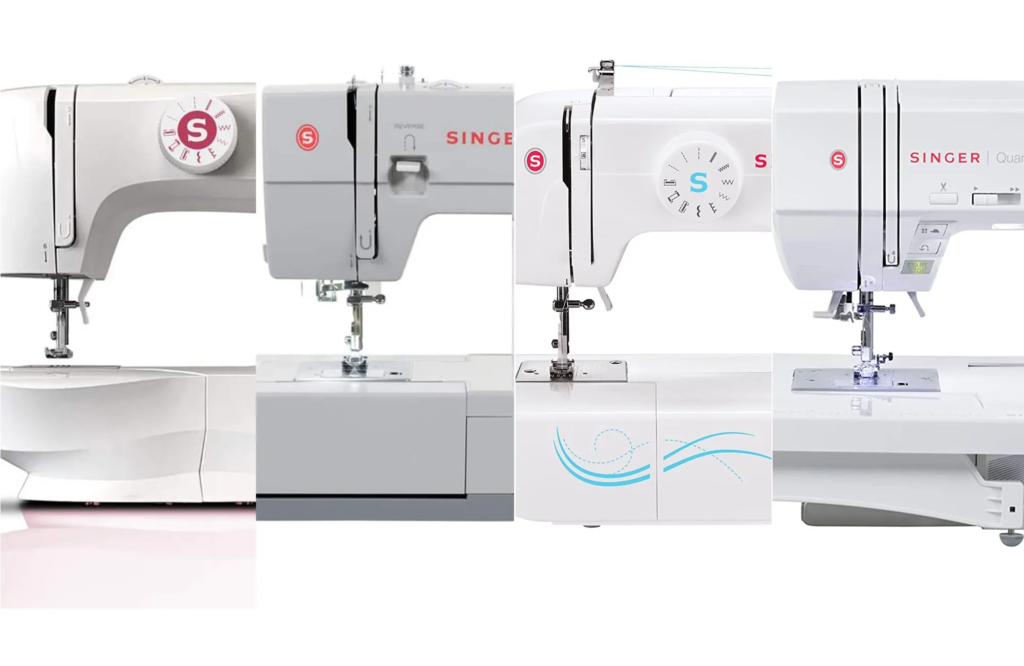
1. Singer Heavy Duty 4423
- High-speed sewing for thick fabrics
- 23 built-in stitches
- Metal frame for durability
2. Singer Start 1304
- Ideal for beginners
- Lightweight and portable
- 6 basic stitches
3. Singer Quantum Stylist 9960
- Computerized with 600+ stitches
- Automatic needle threading
- LCD screen for easy navigation
4. Singer Simple 3223
- Budget-friendly
- 23 built-in stitches
- Lightweight and easy to use
5. Singer Legacy SE300
- Embroidery capabilities
- Computerized and versatile
- Great for creative projects
Tips for Using a Singer Sewing Machine
1. Read the Manual
Understand all features and functions before starting.
2. Practice on Scrap Fabric
Test stitches and tension settings on fabric scraps.
3. Adjust Tension Properly
Proper tension ensures smooth and even stitching.
4. Use the Right Needle
Select needles based on fabric type and thickness.
5. Keep Your Workspace Organized
Arrange tools, threads, and accessories for efficiency.
Singer Sewing Machine Reviews
Many users worldwide praise Singer sewing machines for:
- Durability and reliability
- Easy operation for beginners
- Versatility in stitches and fabrics
- Affordable maintenance and long-lasting performance
Some feedback highlights:
- Occasional technical issues in computerized models
- Heavy-duty machines are bulkier to move
- Excellent customer support and replacement parts availability
Singer Sewing Machine vs Other Brands
| Feature | Singer Sewing Machine | Other Brands (e.g., Brother, Janome) |
|---|---|---|
| Durability | High | Medium to High |
| Variety of Models | Extensive | Moderate |
| Price Range | Affordable to Premium | Affordable to Premium |
| Maintenance | Easy and parts widely available | Varies |
| Technology | Mechanical to Computerized | Varies |
| Brand Reputation | Global Leader | Region-specific |
Where to Buy Singer Sewing Machines
You can purchase Singer sewin_ machines through:
- Official Singer website
- Authorized retailers and sewing stores
- Online marketplaces like Amazon, eBay, or Flipkart
- Local sewing and electronics stores
Always ensure authenticity by checking for official seller certification.
Conclusion
The Singer sewing_machine is a reliable, versatile, and innovative tool suitable for beginners, hobbyists, and professional tailors. Its durability, range of features, and ease of use make it a top choice worldwide. By understanding the different types, models, and features, maintaining your machine properly, and selecting the right model for your needs, you can enjoy years of seamless sewing.
Whether you are stitching casual wear, heavy fabrics, or creating creative embroidery designs, a Singer_sewing machine ensures precision, efficiency, and professional results. In 2026, investing in a Singer machine is not just purchasing a tool—it’s embracing a legacy of quality, innovation, and creativity in sewing.
