


Introduction
For millions of Americans who depend on Social Security, even a small change in the annual cost-of-living adjustment can make a noticeable difference in the household budget. The social security administration 2027 cola is therefore attracting attention well before the official number has been announced. Current estimates point to a meaningful increase, but the final percentage will depend on inflation data that will not be complete until September.
As of August 2026, independent estimates generally place the potential 2027 Social Security COLA somewhere around 3.2% to 3.6%. The Senior Citizens League currently projects 3.6%, while other estimates are lower. The final number cannot be known yet because the Social Security Administration (SSA) must use the third-quarter Consumer Price Index for Urban Wage Earners and Clerical Workers, commonly called CPI-W, to calculate the adjustment.
That means today’s estimate is useful for planning, but it should not be treated as the final answer. August and September inflation readings can still move the calculation in either direction. Understanding how the formula works is the best way to separate genuine information from headlines that make premature predictions.
1. What Is the Social Security Administration 2027 COLA?
The Social Security COLA is an annual adjustment designed to help Social Security and Supplemental Security Income benefits keep pace with changes in consumer prices. It is not a discretionary increase that the SSA simply chooses each year. Federal law establishes the calculation, and the resulting percentage is applied to eligible Social Security benefits. The SSA says the current COLA formula is tied to changes in the CPI-W.

For 2026, beneficiaries received a 2.8% COLA. The 2027 adjustment is expected to be higher based on currently available inflation figures, although the exact increase remains unsettled. Recent estimates have included figures such as 3.2%, 3.4%, 3.5%, and 3.6%, illustrating why beneficiaries should be cautious about treating any single forecast as official.
Why the 2027 number matters
A percentage increase may look modest when viewed on its own, but the dollar effect depends on the size of an individual’s monthly benefit. Someone receiving $1,500 per month would experience a different increase from someone receiving $2,500 or $3,000.
For example, if the final COLA were 3.6%, a $1,500 monthly benefit would increase by about $54 per month before considering other changes. A $2,500 benefit would rise by approximately $90 per month. These examples are illustrations rather than official benefit calculations, because an individual’s actual payment can be affected by the exact benefit amount and other deductions.
The adjustment also matters because inflation does not affect every household in the same way. Retirees may spend a larger portion of their budgets on housing, food, medical services, insurance, utilities and other necessities. A COLA can therefore provide some additional breathing room, but it does not necessarily mean that every beneficiary will experience a full recovery in purchasing power.
2. How the 2027 Social Security COLA Is Calculated
The most important part of understanding the social security administration 2027 cola is knowing which inflation numbers count. The SSA does not simply take the latest annual inflation rate and turn it into a benefit increase. Instead, the law uses the average CPI-W for July, August and September, comparing that third-quarter average with the applicable previous third-quarter baseline. If the resulting increase is positive, it is rounded to the nearest tenth of one percent.
This formula explains why the official 2027 COLA cannot be determined in August. July data are available, but August and September figures still have to be released. Until the three-month calculation is complete, every percentage being discussed publicly remains an estimate.
A simple example of the formula
Imagine, purely for illustration, that the relevant CPI-W average for the comparison year were 320 and the average for July through September 2026 came to 331.5.
The percentage increase would be:
(331.5 − 320) ÷ 320 × 100 = 3.59%
That figure would then be rounded according to the statutory formula, producing approximately a 3.6% COLA.
The actual calculation uses the specific CPI-W figures published by the Bureau of Labor Statistics. The example above is only intended to show why the final COLA cannot be calculated from one month’s inflation figure.
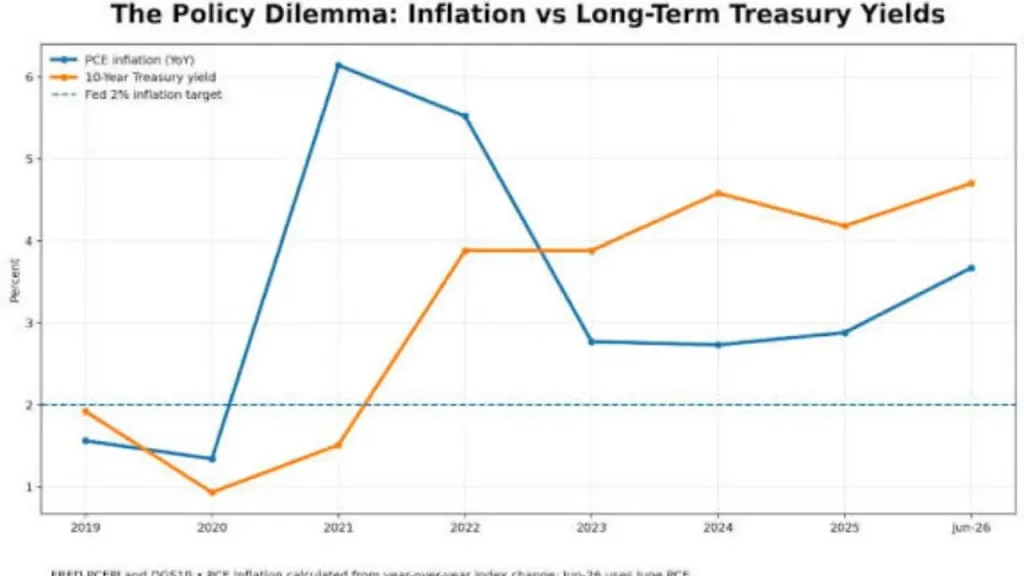
The formula also explains why estimates can change rapidly. A stronger-than-expected inflation reading can push a forecast higher, while softer inflation can pull it down. Recent reporting illustrates exactly that situation: projections moved lower after July inflation data showed some moderation.
3. Current 2027 COLA Estimates and What They Mean
As of late August 2026, forecasts generally suggest that the 2027 COLA will be higher than the 2.8% adjustment received in 2026. The range of estimates, however, shows why it is too early to declare a final figure. The Committee for a Responsible Federal Budget has been cited with an estimate of roughly 3.2%, while AARP has projected about 3.5% and the Senior Citizens League has projected 3.6%.
Another independent analyst has estimated approximately 3.4%, putting several forecasts relatively close together even though they do not agree on one exact number. The practical takeaway is that a 2027 increase above 3% appears plausible based on the information available now, but the final percentage remains dependent on the remaining CPI-W data.
What different COLA percentages could mean
Consider a beneficiary receiving $2,000 per month before the 2027 adjustment:
| Possible COLA | Approx. Monthly Increase | Approx. New Monthly Benefit |
|---|---|---|
| 3.2% | $64 | $2,064 |
| 3.4% | $68 | $2,068 |
| 3.5% | $70 | $2,070 |
| 3.6% | $72 | $2,072 |
These figures are simple illustrations and assume the entire benefit is subject to the stated percentage increase. Actual payments can differ because of deductions and individual circumstances.
The difference between a 3.2% and 3.6% COLA is only four-tenths of a percentage point, yet over a full year that difference could still amount to dozens or hundreds of dollars depending on the benefit size. For a household operating on a tight monthly budget, those differences can matter.
It is also worth remembering that a larger Social Security check does not automatically mean an equally large improvement in disposable income. Medicare premiums, taxes and other deductions can affect what actually reaches a beneficiary’s bank account.
4. When Will the Official 2027 COLA Be Announced?
The official 2027 COLA is expected to be announced in October 2026, after the September inflation data become available. This timing is built into the calculation because September is the final month of the three-month CPI-W period used for determining the annual adjustment.
That creates an important distinction between an estimate and the official COLA. A news report published in August might say that Social Security benefits are expected to rise by 3.6%, but the SSA will not treat that figure as official until the required data have been released and the statutory calculation has been completed.
When beneficiaries will actually see the increase
Although the COLA is announced in October, the timing of the actual payment increase can be confusing. The COLA is effective with Social Security benefits for December, but those benefits are generally paid in January. The SSA explains that the COLA effective for December is reflected in payments made the following month.
For planning purposes, beneficiaries should therefore distinguish between the announcement date, the effective month, and the payment date. These are not necessarily the same thing.
SSI recipients can also have different payment timing because SSI payments are normally made at the beginning of the month, with adjustments for weekends and federal holidays. The 2027 COLA may affect both Social Security and SSI, but the payment schedules should not be assumed to be identical.
5. What the 2027 COLA Could Mean for Retirees and the Future of Social Security
For retirees, the most obvious benefit of a COLA is a larger monthly payment. That additional money can help with recurring expenses such as groceries, utilities, rent, transportation and healthcare. A 3% or 4% increase may not transform a household budget, but it can provide valuable additional income at a time when many retirees have limited opportunities to increase earnings.
Still, the size of a COLA should always be viewed alongside inflation. If prices for essential goods and services rise faster than the Social Security adjustment, beneficiaries can feel financially squeezed even after receiving a larger check. This is one reason debates continue over whether CPI-W is the best measure for Social Security recipients.
The debate over alternative inflation measures
The SSA’s current formula uses CPI-W, but policymakers and researchers have proposed alternatives. One frequently discussed option is the Consumer Price Index for the Elderly, or CPI-E, which is intended to better reflect spending patterns among older Americans.
The SSA’s 2026 Trustees-based analysis includes hypothetical policy options involving different COLA formulas. For example, one proposal would use CPI-E beginning in December 2028 and is estimated to increase annual COLAs by about 0.15 percentage point on average. These are policy proposals and analytical scenarios, not current law.
Another proposal analyzed by SSA would use a chained version of CPI-W beginning in December 2027 and is estimated to reduce annual COLAs by about 0.3 percentage point on average. Again, this does not mean the government has adopted such a change. It demonstrates that the COLA formula remains part of the broader policy discussion surrounding Social Security’s finances.
That distinction matters. Beneficiaries should not confuse an SSA actuarial scenario with an enacted change in benefits. Unless Congress changes the law, the existing statutory COLA formula remains the basis for the 2027 adjustment.
Conclusion
The social security administration 2027 cola is shaping up to be an important financial issue for millions of beneficiaries, but the final percentage is still a few weeks away from being known. Current estimates generally point to an increase above the 2.8% COLA provided in 2026, with recent forecasts clustering roughly between 3.2% and 3.6%.
The crucial point is that these are forecasts, not official numbers. The Social Security Administration must use the CPI-W figures for July, August and September to calculate the final adjustment. Once the September data are available, the official COLA can be determined and announced in October.
For beneficiaries, the smartest approach is to plan conservatively. A projected 3.6% increase may be encouraging, but household budgets should not depend on a forecast until the government confirms the actual figure. The final increase will provide useful additional income, but expenses such as Medicare premiums, taxes and inflation will determine how much of that increase beneficiaries ultimately feel.
10 Frequently Asked Questions About the Social Security Administration 2027 COLA
1. What is the expected Social Security COLA for 2027?
Current estimates suggest the 2027 COLA could be between approximately 3.2% and 3.6%. Several organizations and analysts have issued different forecasts, so no percentage should be considered official yet.
2. What was the Social Security COLA for 2026?
The 2026 Social Security COLA was 2.8%. The increase applied to Social Security benefits beginning with benefits payable in January 2026.
3. When will the official 2027 COLA be announced?
The official 2027 COLA is expected in October 2026, after the September CPI-W data are released and the complete third-quarter calculation can be made.
4. What inflation measure does Social Security use?
Social Security’s COLA formula uses the Consumer Price Index for Urban Wage Earners and Clerical Workers (CPI-W). The calculation specifically uses the third-quarter CPI-W figures.
5. Why can’t the 2027 COLA be known yet?
The calculation requires CPI-W data for July, August and September. In August, the September figure is not yet available, so the three-month average cannot be finalized.
6. Will everyone receive the same dollar increase?
No. The percentage adjustment is generally applied to a beneficiary’s existing benefit, so someone receiving a larger monthly benefit will normally receive a larger dollar increase than someone receiving a smaller benefit.
7. Could the 2027 COLA still change from current estimates?
Yes. August and September inflation data can change the calculation. This is why current estimates should be treated as projections rather than guarantees.
8. Will a higher COLA automatically mean more money in my bank account?
Not necessarily. The benefit amount may increase, but deductions such as Medicare premiums or federal income tax withholding can affect the amount actually received.
9. Is the government changing the Social Security COLA formula for 2027?
There is no general indication that the existing statutory formula has been replaced for the 2027 COLA. SSA does publish analyses of possible alternative formulas, including chained CPI-W and CPI-E, but these are policy scenarios rather than automatic changes to current law.
10. Where can beneficiaries find the official 2027 COLA?
The Social Security Administration will publish the official COLA once the required inflation data and statutory calculation are complete. Until then, forecasts from advocacy groups, economists and financial publications should be viewed as estimates rather than confirmed benefit changes
