


Meta Description
Discover the history of BBC Persian, its broadcasting services, editorial approach, digital expansion, audience, and influence on Persian-language journalism.
bbc-persian-history-services-global-reach
BBC Persian: History, Services, Global Reach, and Its Role in Modern Journalism
Table of Contents
- Introduction
- The Story Behind BBC Persian
- How BBC Persian Has Evolved Over the Years
- Television, Radio, and Digital Platforms
- Editorial Standards and News Reporting
- Programs and Content Categories
- Audience and Global Reach
- Technology and the Future of BBC Persian
- Challenges Facing International News Organizations
- Conclusion
- Frequently Asked Questions
Introduction
News has changed dramatically over the last few decades. People no longer wait for the evening television bulletin or the morning newspaper to find out what is happening around the world. A breaking story can now reach millions of people within seconds through websites, mobile apps, and social media.
Among the international news organizations serving Persian-speaking audiences, BBC Persian has become one of the most widely recognized names. From its beginnings as a radio service to its current presence across television and digital platforms, the organization has continually adapted to changing technology and audience expectations.
Its reports cover a broad range of subjects, including international affairs, politics, business, science, technology, health, culture, and sports. Rather than focusing on a single type of content, BBC Persian combines breaking news with documentaries, interviews, analysis, and feature stories, designed to provide readers and viewers with a broader understanding of key events.
Like many international broadcasters, BBC Persian is also part of wider conversations about journalism, media independence, and public trust. Some audiences appreciate its international perspective, while others question aspects of its reporting. Such differing opinions are common for large global news organizations that cover politically and socially significant topics.
This article examines the development of BBC Persian, its current operations, the services it provides, the challenges it encounters, and the reasons behind its ongoing significance in Persian-language journalism.
To better understand how international news organizations operate, you may also find our guide on international journalism useful.
1. The Story Behind BBC Persian
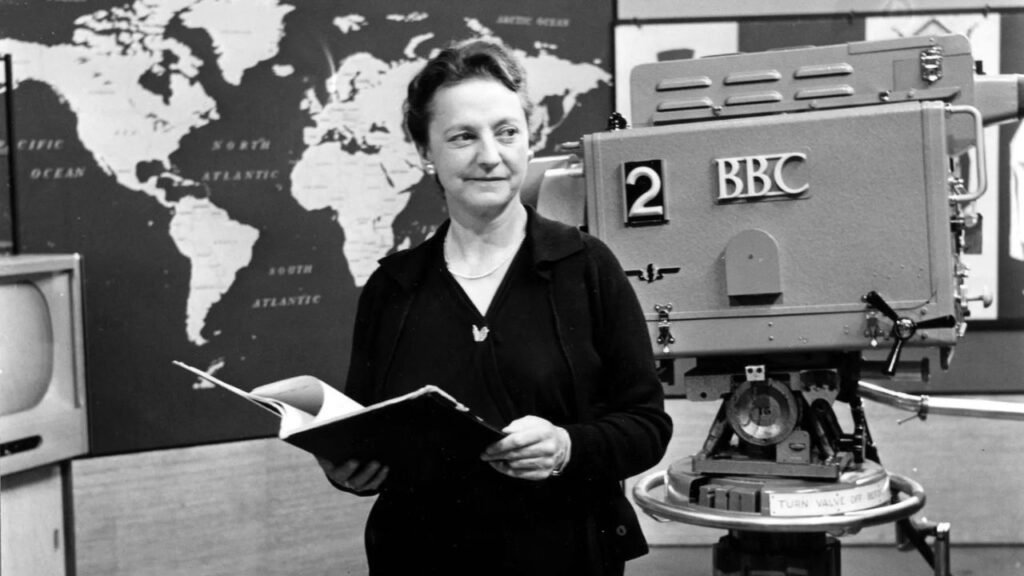
The history of BBC Persian goes back several decades, to a time when radio was one of the most effective ways to communicate with audiences across national borders. During those years, international broadcasting helped people access news that was not always available through local media. Persian-language programming became part of that wider effort to deliver information to listeners in their own language.
In its early years, radio formed the foundation of the service. News bulletins were accompanied by educational programs, interviews, and cultural discussions that appealed to a broad audience. These broadcasts helped establish BBC Persian as a familiar source of international news for many Persian speakers.
As communication technology developed, audience expectations also changed. Television gradually became a preferred source of information, offering viewers not only spoken reports but also live images, interviews, and on-the-ground coverage. BBC Persian responded by expanding beyond radio and introducing television broadcasting, opening a new chapter in its history.
The arrival of the internet brought another major shift. News was no longer tied to broadcast schedules. Readers could visit websites, stream videos, and access information whenever they wanted. BBC Persian adapted once again, building a strong digital presence that now reaches audiences through computers, smartphones, tablets, podcasts, and social media platforms.
Readers who want to explore BBC Persian’s latest news, videos, and features can visit the official BBC Persian website
Looking back, the service’s evolution reflects the broader transformation of global journalism. What began as traditional radio broadcasting has developed into a multimedia news operation designed to meet the needs of today’s digital audience.
2. How BBC Persian Has Evolved Over the Years

The media industry rarely stands still. Every major technological change—from radio to television and from television to online publishing—has reshaped the way news is produced and consumed. BBC Persian has experienced each of these transitions, adapting its methods while continuing to serve Persian-speaking audiences.
One of the biggest changes has been the move toward digital-first journalism. Today, many people discover breaking news through notifications on their phones long before they switch on a television. This shift has encouraged publishers to think differently about how stories are presented. Speed matters, but so do clarity, accuracy, and accessibility.
Modern reporting also goes beyond text. A single news story may include photographs, video clips, interactive graphics, timelines, and expert interviews. These formats help readers understand complex issues more easily while offering multiple ways to engage with the same topic.
Another noticeable change is audience participation. Readers are no longer passive consumers of information. Through social media and online discussions, they can respond to reports, ask questions, and share different perspectives almost instantly. This interaction has changed the relationship between journalists and their audiences, creating both new opportunities and new responsibilities.
While technology continues to evolve, the central purpose of journalism remains unchanged: gathering verified information, presenting it responsibly, and helping audiences make sense of events that shape the world around them.
3. Television, Radio, and Digital Platforms
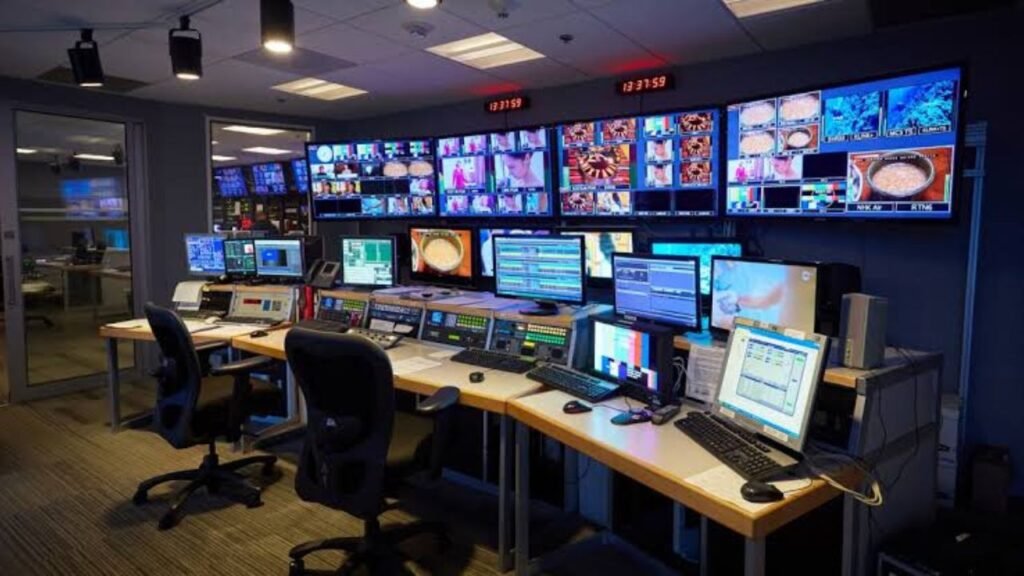
For many years, radio was the primary way audiences connected with BBC Persian. People often tuned in at scheduled times to hear international news, interviews, and current affairs. In an era when access to global media was more limited, radio offered a practical way to stay informed about events taking place beyond national borders.
The launch of television marked an important turning point. Visual reporting changed the way stories were presented, allowing viewers to watch live interviews, breaking news coverage, documentaries, and discussions rather than relying only on audio broadcasts. Seeing events unfold on screen added context that radio alone could not provide.
The growth of the internet brought another transformation. Instead of waiting for scheduled programs, audiences could visit the BBC Persian website whenever they wanted. News became available around the clock, giving readers immediate access to articles, videos, and special reports from almost anywhere with an internet connection.
Today, BBC Persian operates across several platforms at the same time. Television remains important for many viewers, while others prefer reading articles on the website, listening to podcasts, watching short videos, or following updates on social media. This multi-platform approach reflects how people now consume news in different ways depending on their daily routines.
Mobile technology has also changed audience behaviour. A significant number of users now rely on smartphones rather than desktop computers. Because of this, news articles, videos, and multimedia content are designed to load quickly and display clearly on smaller screens. Accessibility has become just as important as the information itself.
Another noticeable trend is the increasing use of short-form content. Busy readers may not always have time to watch a full documentary or read a lengthy report. Short video explainers, quick news updates, and concise summaries help audiences stay informed while encouraging them to explore more detailed coverage if they choose.
The expansion across radio, television, websites, podcasts, and mobile platforms demonstrates how international news organizations continue adapting to changing technologies without abandoning the principles of professional journalism.
4. Editorial Standards and News Reporting

Publishing information quickly has become one of the biggest challenges facing modern news organizations. News often breaks first on social media, where rumours, edited videos, and unverified claims can spread within minutes. In such an environment, professional journalism depends on careful verification rather than speed alone.
Editorial standards exist to help maintain that balance. Before a report is published, journalists normally collect information from available sources, compare details, and review evidence before editors approve the final version. Although breaking stories may develop rapidly, accuracy remains a priority because incorrect information can easily damage public trust.
Another important principle is distinguishing between different types of content. A straightforward news report focuses on verified facts, while an analysis article explores possible implications and broader context. Opinion pieces, on the other hand, reflect the views of individual writers rather than presenting objective reporting. Keeping these formats separate helps readers understand the purpose of each article.
Fact-checking has become increasingly important as digital communication continues to evolve. Images, videos, and online posts can now be manipulated using advanced software, making verification more challenging than in previous decades. Journalists, therefore, spend considerable time confirming visual material, checking dates, identifying sources, and reviewing evidence before publication whenever possible.
Transparency also plays a role in maintaining credibility. When significant errors are identified, established news organizations generally publish corrections or update articles to reflect newly confirmed information. While no newsroom is completely free from mistakes, acknowledging and correcting them is considered an essential part of responsible journalism.
Editorial decisions are often examined by audiences, researchers, and media observers. Coverage of political events, international conflicts, and social issues can generate strong reactions because different groups may interpret the same events in different ways. This level of public discussion is common for major international broadcasters and reflects the influence that global news organizations can have on public conversations.
Ultimately, editorial standards are not simply internal guidelines. They are part of the process that helps readers distinguish verified reporting from speculation. In an age where information is available almost instantly, maintaining accuracy, fairness, and accountability remains one of the most important responsibilities of professional journalism.
5. Programming and Content Categories

People often associate BBC Persian with breaking news, but its coverage extends well beyond daily headlines. Over the years, the service has expanded its content to include documentaries, interviews, feature stories, cultural discussions, business updates, and science reporting. This broader approach reflects the changing expectations of audiences who want more than short news bulletins.
International affairs remain one of its most closely followed areas of reporting. Political developments, diplomatic relations, economic trends, and major global events frequently receive detailed coverage. Rather than focusing only on what happened, many reports also explain the background of an issue and why it matters to readers.
Business and economic news has become increasingly important as global markets influence everyday life. Reports may cover inflation, international trade, energy markets, employment trends, or financial policies that affect businesses and individuals alike. By providing context alongside the latest developments, readers gain a clearer understanding of how economic decisions can shape daily life.
Science and technology also receive regular attention. Whether reporting on advances in artificial intelligence, medical research, cybersecurity, or space exploration, these stories aim to explain complex subjects in a way that is accessible to a general audience. Technical language is often simplified so that readers without a specialist background can still follow the discussion.
Culture forms another significant part of BBC Persian’s programming. Literature, cinema, music, history, and the arts are featured alongside news coverage, reflecting the diversity of interests within Persian-speaking communities. These stories often highlight creative achievements while encouraging conversations about cultural identity and heritage.
Long-form journalism continues to play an important role as well. Feature articles and documentaries allow journalists to examine subjects in greater depth than a standard news report. Instead of focusing solely on immediate events, these formats explore historical context, social changes, and personal experiences that help readers better understand the bigger picture.
Digital storytelling has added another dimension to modern reporting. Interactive graphics, photo essays, podcasts, and short-form videos complement traditional articles, giving audiences multiple ways to engage with information depending on how they prefer to consume news.
6. Audience and Global Reach

Although BBC Persian publishes content in the Persian language, its audience extends far beyond a single country. Persian-speaking communities living across Europe, North America, the Middle East, and other parts of the world regularly access its reports through television broadcasts and digital platforms. The internet has made geographical distance far less significant than it once was.
One reason for this broad reach is accessibility. A reader in one country can follow the same live updates as someone thousands of miles away simply by opening a website or mobile application. This level of connectivity has changed how international news organizations build relationships with their audiences.
Audience preferences also vary considerably. Some readers want quick headlines during a busy workday, while others prefer in-depth reports that explore the background of major events. BBC Persian addresses these different needs by publishing content in multiple formats, including written articles, live broadcasts, podcasts, interviews, documentaries, and short videos.
Mobile devices have become central to this experience. Smartphones now account for a significant share of digital news consumption worldwide. Recognizing this shift, publishers increasingly design their content for smaller screens, ensuring articles remain easy to read and videos load efficiently even on slower internet connections.
Social media has further expanded audience interaction. News organizations no longer communicate in only one direction. Readers can comment on stories, ask questions, participate in discussions, and share reports with others almost instantly. This direct engagement creates opportunities to understand audience interests while also encouraging broader public conversations around important issues.
At the same time, reaching a global audience brings additional responsibilities. Reporting for readers from different countries means recognizing that people may have different cultural backgrounds, experiences, and perspectives. Presenting information clearly and responsibly becomes even more important when coverage is viewed across multiple regions.
The growing international reach of BBC Persian reflects a wider trend within global journalism. Technology has allowed media organizations to connect with audiences regardless of location, making news more accessible than ever before while also increasing the importance of accuracy, transparency, and trust.
7. Technology, Innovation, and the Future of BBC Persian

Journalism has never been static. Every major technological breakthrough—from radio and television to smartphones and artificial intelligence—has changed how news reaches people. BBC Persian has evolved alongside these developments by adopting new digital tools while continuing to focus on delivering news through multiple platforms.
One of the biggest shifts has been the rise of digital-first journalism. Years ago, news organizations worked around fixed broadcast schedules. Today, audiences expect updates the moment an important event happens. This demand has encouraged newsrooms to publish breaking stories online first and then expand them with interviews, analysis, videos, and background information as more details become available.
Multimedia storytelling has also become an essential part of modern reporting. A single story may combine written articles, photographs, short video clips, infographics, interactive maps, and timelines. Each element serves a purpose, helping readers understand complex events without relying solely on long blocks of text.
Artificial intelligence is beginning to influence journalism as well. AI-powered tools can assist with transcription, translation, caption generation, data analysis, and content organization. These technologies improve efficiency, but they do not replace the work of journalists. Editorial judgment, source verification, interviewing, and ethical decision-making still require human oversight.
Another important development is the growing popularity of podcasts and on-demand audio. Many people now prefer listening to the news while commuting, exercising, or travelling. As a result, audio journalism has become an increasingly valuable way to reach audiences who may not have time to watch television or read lengthy reports.
Audience expectations continue to evolve. Readers no longer want information alone—they also want context. A headline may explain what happened, but audiences increasingly expect journalists to explain why it happened, how it may affect them, and what could happen next. This demand for deeper reporting has encouraged media organizations to invest more heavily in explainers and analytical journalism.
Research from the Reuters Institute for the Study of Journalism provides valuable insights into how audiences consume digital news worldwide.
Looking ahead, future innovations may include more interactive storytelling, improved accessibility features, personalized news experiences, and better tools for verifying digital content. Regardless of how technology develops, the core principles of journalism—accuracy, fairness, transparency, and accountability—will remain essential.
8. Challenges Facing International News Organizations

Reporting global events has become both easier and more difficult at the same time. Technology allows journalists to communicate with sources almost instantly and publish updates within minutes. Yet the same technology also enables misinformation to spread at unprecedented speed, making verification one of the most demanding aspects of modern journalism.
One major challenge is the rapid circulation of false information on social media. Photos can be taken out of context, videos can be edited, and fabricated stories can attract millions of views before accurate reporting reaches the public. This environment places additional pressure on professional news organizations to confirm facts before publication, even when audiences expect immediate updates.
Maintaining public trust is another ongoing challenge. Around the world, audiences have access to thousands of websites, blogs, video channels, and social media accounts offering different interpretations of the same event. Building credibility, therefore, depends not only on reporting quickly but also on demonstrating consistency, transparency, and a willingness to correct errors when necessary.
Political and social polarization has further complicated the work of journalists. Coverage of elections, international conflicts, economic policy, or public health issues often attracts strong reactions from different groups. Readers may interpret identical facts in different ways depending on their personal experiences, beliefs, or preferred information sources. As a result, news organizations frequently face criticism from multiple directions at the same time.
Cybersecurity has become another priority for modern media organizations. Newsrooms handle large amounts of digital information, communicate with sources online, and depend heavily on technology to produce and distribute content. Protecting systems from cyberattacks, unauthorized access, and data breaches has therefore become an important part of daily newsroom operations.
Financial sustainability also affects the future of journalism. Traditional advertising models have changed significantly as digital platforms compete for audience attention. Many publishers now rely on a combination of advertising, subscriptions, memberships, partnerships, and multimedia services to support long-term operations while continuing to invest in quality reporting.
Despite these challenges, international journalism remains an essential public service. Reliable reporting helps people understand events beyond their immediate surroundings, compare different perspectives, and make informed decisions based on verified information rather than speculation. As technology continues to evolve, the ability to maintain trust through accurate and responsible reporting will remain one of journalism’s greatest strengths.
Conclusion

The way people consume news has changed beyond recognition over the past few decades, and BBC Persian has evolved alongside those changes. From its origins as a Persian-language radio service to its presence on television, websites, mobile devices, podcasts, and social media, the organization reflects how international journalism has adapted to an increasingly digital world.
Its reporting extends far beyond breaking headlines. News coverage is supported by documentaries, interviews, business reporting, cultural features, technology stories, and long-form analysis that help readers understand not only what happened but also why it matters. This combination of fast reporting and in-depth journalism has allowed BBC Persian to serve a diverse audience with different interests and reading habits.
Like every major international news organization, BBC Persian operates in an environment where trust must be earned continuously. The rapid spread of online misinformation, changing audience expectations, cybersecurity concerns, and financial pressures all present ongoing challenges for modern journalism. Meeting those challenges requires careful fact-checking, responsible editorial decisions, and a commitment to transparency whenever new information emerges or corrections become necessary.
Technology will continue to reshape journalism in the years ahead. Artificial intelligence, interactive storytelling, data visualization, podcasts, and personalized digital experiences are likely to become even more common. Yet the foundations of quality journalism remain unchanged. Accurate reporting, balanced coverage, clear explanations, and ethical decision-making are qualities that continue to distinguish professional news organizations from the countless sources of unverified information available online.
For readers looking to understand international events through Persian-language reporting, BBC Persian remains one of several established media organizations contributing to the global exchange of information. Its future success will depend not only on adopting new technologies but also on preserving the journalistic standards that help audiences make informed decisions in an increasingly complex information landscape.
Readers who want to strengthen their ability to evaluate news critically can explore UNESCO’s Media and Information Literacy resources.
Frequently Asked Questions (FAQs)
1. What is BBC Persian?
BBC Persian is the Persian-language news service of the BBC that publishes news, interviews, documentaries, analysis, videos, and multimedia content for Persian-speaking audiences around the world.
2. When was BBC Persian established?
BBC Persian began as a Persian-language radio service during the twentieth century and later expanded into television broadcasting and digital journalism as technology evolved.
3. What topics does BBC Persian cover?
Its coverage includes international news, politics, business, economics, science, technology, health, education, culture, entertainment, sports, and special reports.
4. Is BBC Persian available online?
Yes. Readers can access articles, videos, podcasts, live updates, and multimedia reports through its official website and other digital platforms using computers, smartphones, and tablets.
5. Does BBC Persian only broadcast television programs?
No. Alongside television, it also publishes written articles, podcasts, documentaries, interviews, videos, and interactive digital content across multiple platforms.
6. Who is the main audience of BBC Persian?
The service primarily targets Persian-speaking audiences living in different parts of the world, including the Middle East, Europe, North America, and other international communities.
7. Why is BBC Persian considered an international news service?
Its reporting focuses on both regional and global developments while serving audiences across multiple countries through television broadcasting and digital media.
8. How has technology influenced BBC Persian?
Technology has expanded its reach through websites, mobile applications, podcasts, social media, live streaming, and multimedia storytelling, making news accessible on almost any internet-connected device.
9. What challenges do international news organizations face today?
Common challenges include verifying information during breaking news, combating misinformation, maintaining audience trust, adapting to changing technology, and ensuring long-term financial sustainability.
10. What is the future of BBC Persian?
The future is expected to involve continued growth in digital journalism, greater use of multimedia content, stronger audience engagement, and ongoing investment in technologies that improve news delivery while maintaining professional editorial standards.
