

Introduction
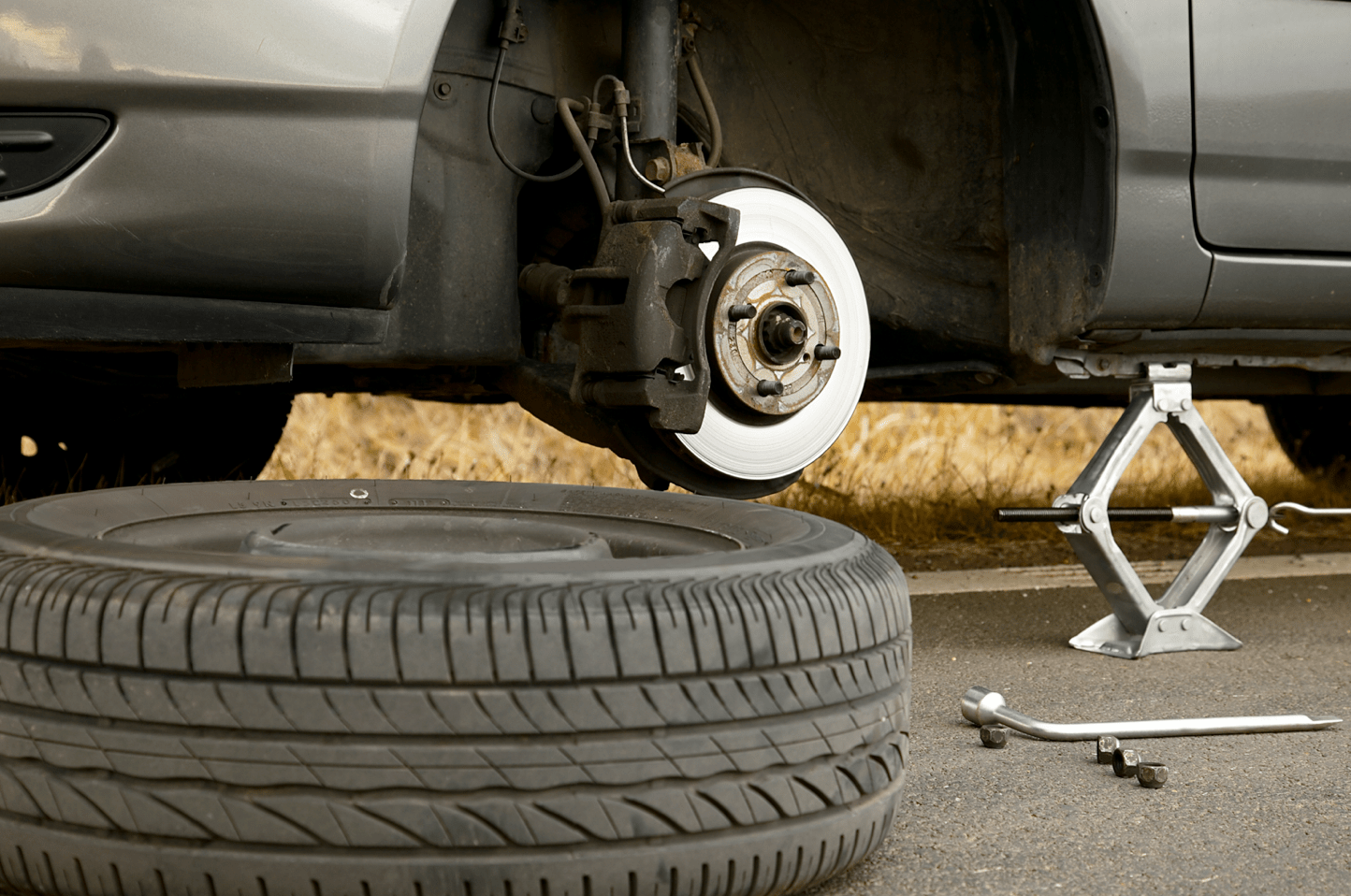
How to change a tire is one of the most valuable skills every driver can learn. Flat tires can happen unexpectedly due to sharp objects, road hazards, worn-out tread, or sudden blowouts. Knowing how to replace a damaged tire can save time, money, and stress while helping you get back on the road safely.
Many drivers rely entirely on roadside assistance, but understanding the tire-changing process provides confidence and independence during emergencies. Whether you’re a new driver or simply refreshing your knowledge, this comprehensive guide explains everything you need to know about how to change a tire safely and efficiently.
Understanding When and Why You Need to Change a Tire
A flat tire can occur at any time and often without warning. Common causes include punctures from nails or screws, damaged valve stems, pothole impacts, excessive wear, and tire blowouts. Recognizing the signs of a damaged tire can help prevent accidents and reduce vehicle damage.
When a tire loses air pressure rapidly, you may notice unusual steering behavior, vibrations, or a pulling sensation while driving. Ignoring these warning signs can lead to further damage to the wheel, suspension, and other vehicle components. Learning how to identify tire problems early is an important part of vehicle maintenance.
Not every flat tire requires immediate replacement. In some cases, a small puncture can be repaired by a professional. However, severe sidewall damage, large punctures, or complete blowouts typically require replacing the tire. This is where understanding how to change a tire becomes essential.
Modern vehicles often come equipped with spare tires, compact emergency tires, or tire repair kits. Familiarizing yourself with your vehicle’s equipment before an emergency occurs can make the entire process smoother and safer.
Essential Tools and Safety Equipment for Changing a Tire
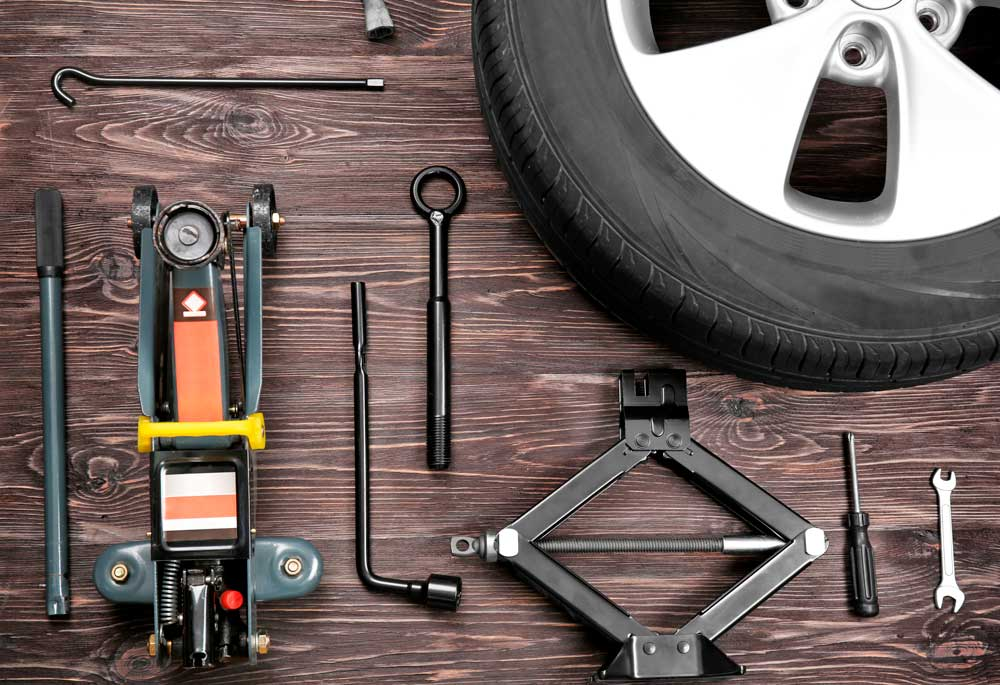
Before attempting to change a tire, it is important to gather the necessary tools. Most vehicles include a spare tire, jack, and lug wrench. However, additional equipment can improve safety and efficiency during the tire replacement process.
A reflective safety vest, flashlight, wheel wedges, work gloves, and a tire pressure gauge are highly recommended. These items can make the job safer, particularly when changing a tire at night or in poor weather conditions. Having a well-stocked emergency kit in your vehicle is always a smart decision.
Safety should always be the first priority. If you experience a flat tire while driving, reduce speed gradually and avoid sudden braking or sharp turns. Move to a safe location away from traffic whenever possible. A flat, stable surface provides the best environment for changing a tire safely.
Activating your hazard lights alerts other drivers to your presence. If available, place warning triangles behind your vehicle to increase visibility. These simple precautions can significantly reduce the risk of accidents while you work on the tire.
Understanding your vehicle’s owner’s manual is also important. The manual identifies the correct jack points and provides vehicle-specific instructions that can help prevent damage during the tire-changing process.
Step-by-Step Instructions on How to Change a Tire
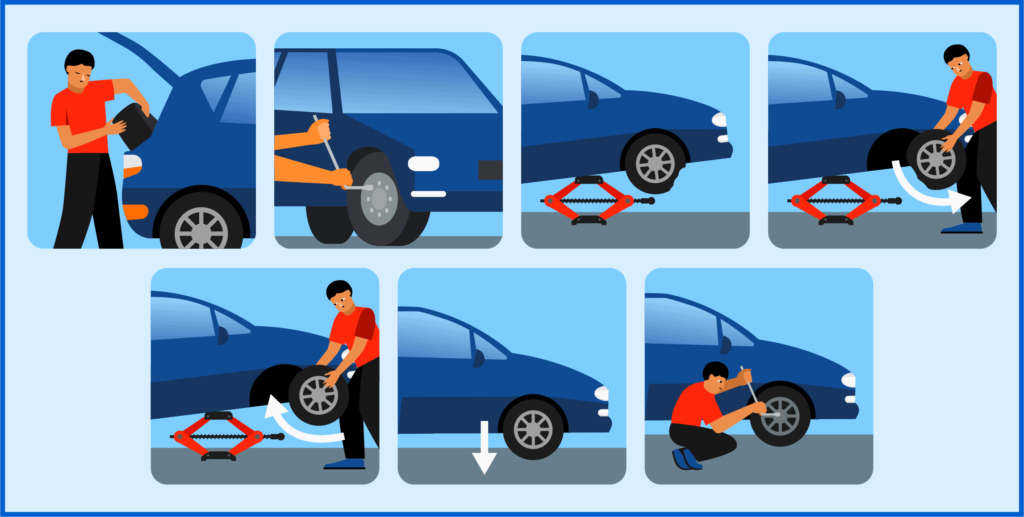
The first step in learning how to change a tire is securing the vehicle. Park on a level surface and engage the parking brake. If driving a manual transmission vehicle, place it in first gear. For automatic transmissions, shift into park.
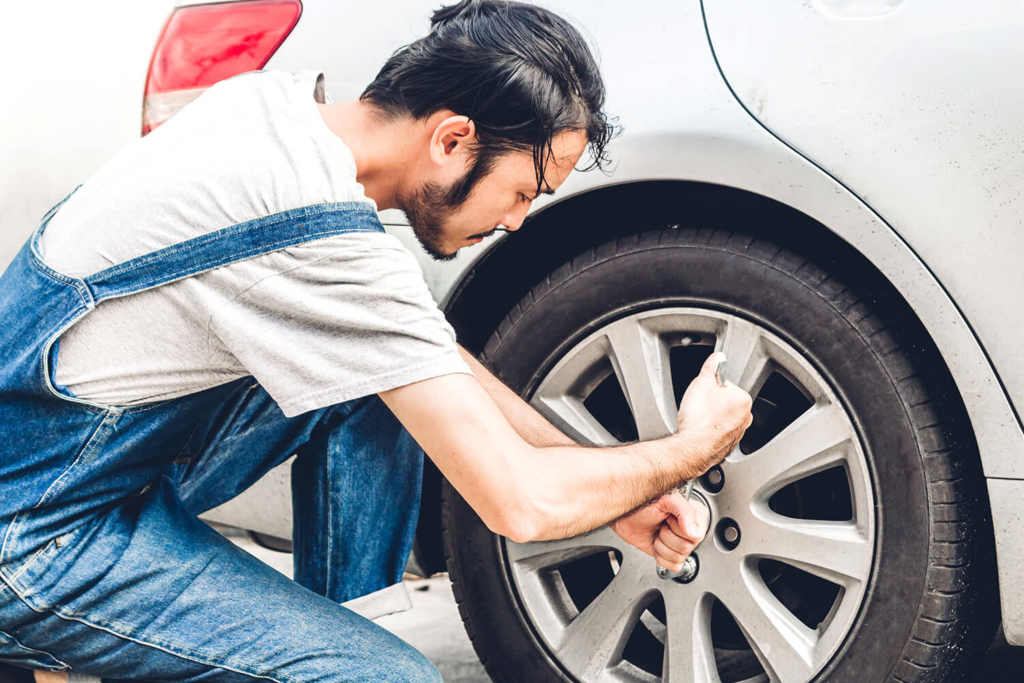
Next, locate the spare tire, jack, and lug wrench. Before lifting the vehicle, loosen the lug nuts slightly by turning them counterclockwise. Do not remove them completely at this stage. Loosening them while the tire remains on the ground prevents the wheel from spinning.
Position the jack under the designated lift point identified in your owner’s manual. Carefully raise the vehicle until the flat tire is several inches off the ground. Ensure the vehicle remains stable throughout the lifting process.
Once elevated, completely remove the loosened lug nuts and place them in a safe location. Carefully pull the flat tire straight off the wheel studs. Depending on rust or dirt buildup, some tires may require gentle force to remove.
Align the spare tire with the wheel studs and slide it into place. Hand-tighten the lug nuts in a star pattern to ensure even pressure distribution. Avoid fully tightening them while the vehicle remains elevated.
Lower the vehicle slowly until the tire touches the ground. Then use the lug wrench to tighten the nuts securely using the same star pattern. This method helps prevent uneven wheel seating and improves driving safety.
After all lug nuts are tightened, fully lower the vehicle and remove the jack. Store the damaged tire and tools properly before continuing your journey.
Common Mistakes to Avoid When Changing a Tire
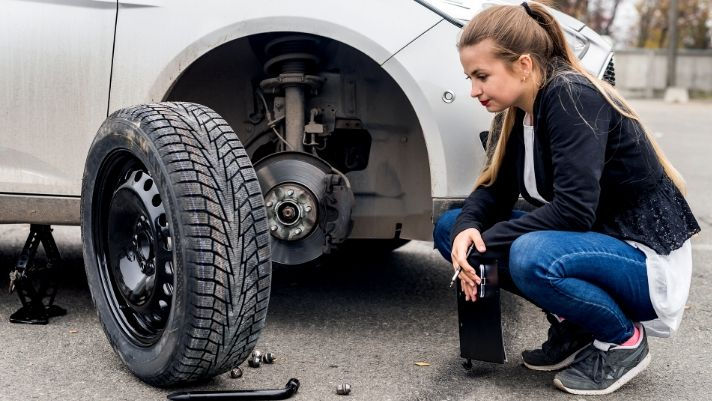
Even experienced drivers can make mistakes when replacing a tire. One of the most common errors is failing to secure the vehicle properly before beginning the process. Without the parking brake engaged, the vehicle can move unexpectedly, creating a dangerous situation.
Another frequent mistake involves using the wrong jack placement. Incorrect positioning can damage the vehicle’s frame or cause instability while lifting. Always consult the owner’s manual to identify proper jack points.
Many people also forget to loosen the lug nuts before raising the vehicle. Attempting to loosen them after lifting can cause the wheel to rotate and increase the risk of accidents. Proper sequencing of steps makes the process safer and easier.
Overtightening or undertightening lug nuts can create serious problems. Excessive force may damage wheel studs, while insufficient tightening can allow the wheel to loosen while driving. Using a torque wrench after reaching a repair facility helps ensure proper tightening specifications.
Drivers sometimes assume that compact spare tires can be driven indefinitely. Most temporary spare tires are designed only for short distances and lower speeds. Replacing the damaged tire with a permanent solution should be a priority.
Ignoring tire pressure is another common issue. Before driving, verify that the spare tire contains adequate air pressure. An underinflated spare can compromise vehicle handling and safety.
Tire Maintenance Tips to Prevent Future Flats
Preventing flat tires begins with regular maintenance. Checking tire pressure at least once a month helps ensure optimal performance and reduces the risk of unexpected failures. Proper inflation improves fuel efficiency, handling, and tire lifespan.
Inspecting tread depth regularly is equally important. Worn tires provide less traction and are more vulnerable to punctures. Most experts recommend replacing tires before tread depth reaches unsafe levels.
Rotating tires according to the manufacturer’s schedule promotes even wear. Uneven tire wear can reduce performance and increase the likelihood of premature tire failure. Regular rotation extends tire life and enhances vehicle safety.
Drivers should also inspect tires for cuts, cracks, bulges, or embedded objects. Identifying damage early often allows for repairs before the issue becomes severe. Routine visual inspections take only a few minutes but can prevent costly breakdowns.
Avoiding road hazards whenever possible helps protect tires from damage. Potholes, debris, and rough road surfaces can weaken tire structures and increase the risk of punctures. Defensive driving habits contribute significantly to tire longevity.
Professional tire inspections during routine vehicle maintenance provide additional peace of mind. Technicians can identify hidden problems that may not be visible during casual inspections and recommend corrective actions before failures occur.
Frequently Asked Questions (FAQs)
1. How long does it take to change a tire?
Most people can change a tire in 15 to 30 minutes.
2. Is it safe to drive on a flat tire?
No. Driving on a flat tire can damage the wheel and create safety hazards.
3. What tools are needed to change a tire?
You typically need a spare tire, jack, and lug wrench.
4. Can I change a tire without a jack?
No. A jack is generally required to lift the vehicle safely.
5. How tight should lug nuts be?
They should be tightened according to the vehicle manufacturer’s specifications.
6. What is a temporary spare tire?
A temporary spare is a compact tire designed for short-distance emergency use.
7. Should I replace all tires when one goes flat?
Not necessarily. It depends on tire condition, wear levels, and vehicle requirements.
8. How often should tire pressure be checked?
At least once per month and before long trips.
9. Can a punctured tire always be repaired?
No. Large punctures or sidewall damage usually require replacement.
10. What should I do after installing a spare tire?
Conclusion
Learning how to change a tire is a practical skill that every driver should master. A flat tire can happen unexpectedly, but with the proper tools, safety precautions, and knowledge, replacing a tire becomes a manageable task rather than a stressful emergency.
By understanding the causes of flat tires, following a step-by-step replacement process, avoiding common mistakes, and maintaining your tires regularly, you can drive with greater confidence and preparedness. Whether you’re commuting daily or embarking on a long road trip, knowing how to change a tire ensures you’re ready to handle one of the most common roadside emergencies.
