

The Proterozoic Eon is one of the most fascinating chapters in Earth’s history. Spanning from approximately 2.5 billion to 541 million years ago, this eon marks a period of dramatic geological, atmospheric, and biological transformations. In this article, we will explore the key events, characteristics, and significance of the Proterozoic Eon, providing insights that are essential for students, researchers, and anyone interested in the deep past of our planet.
What is the Proterozoic Eon?
The Proterozoic Eon is the third eon in Earth’s geological time scale, following the Archean and preceding the Phanerozoic. It is divided into three major eras:
- Paleoproterozoic (2.5–1.6 billion years ago)
- Mesoproterozoic (1.6–1.0 billion years ago)
- Neoproterozoic (1.0–0.541 billion years ago)
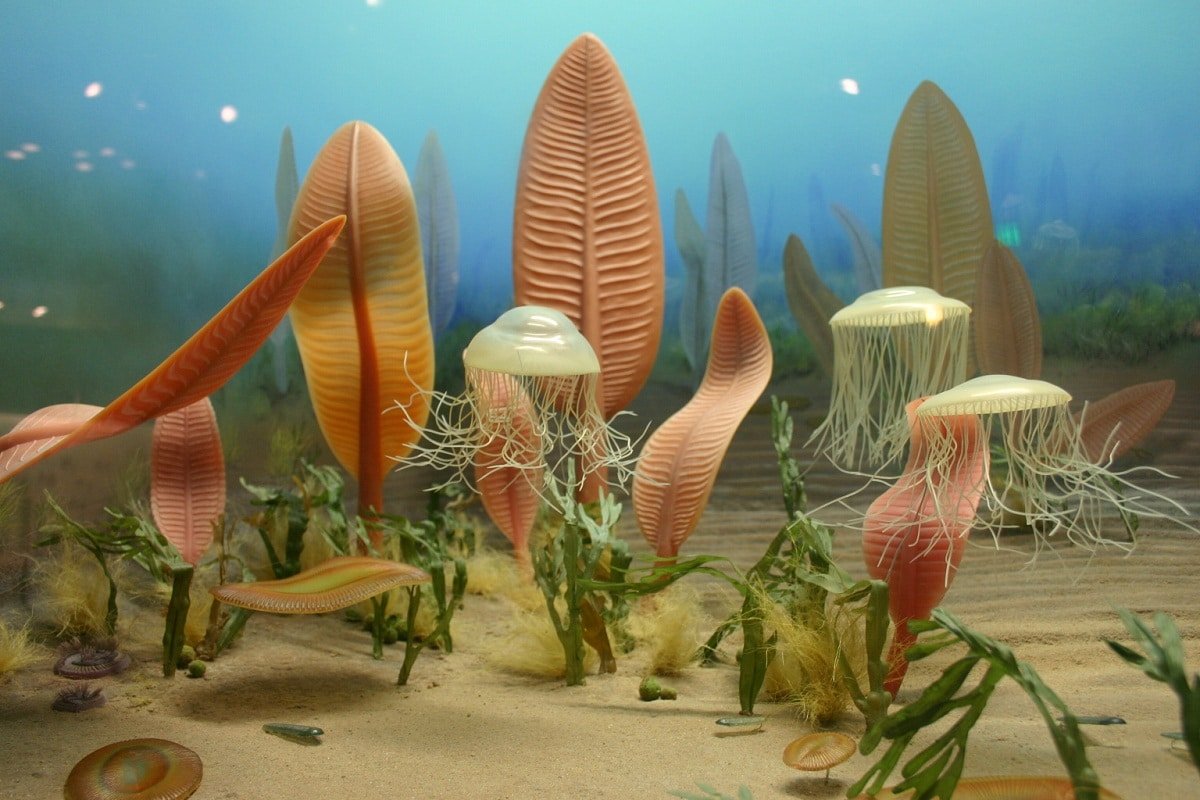
This eon is characterized by significant geological events, such as the stabilization of continental cratons, widespread glaciations, and the first appearance of multicellular life. Understanding the Proterozoic Eon helps us trace the origins of modern life and the evolution of Earth’s atmosphere.
Geological Features of the Proterozoic Eon
During the Proterozoic Eon, the Earth experienced profound geological changes. One of the most important events was the formation of supercontinents. For instance, the supercontinent Columbia formed in the Paleoproterozoic, while Rodinia emerged during the Neoproterozoic. These supercontinents influenced global climate patterns, ocean circulation, and the distribution of life.
Cratons and Continental Stabilization
The Proterozoic Eon saw the formation of stable continental cratons. Cratons are the ancient cores of continents, made up of crystalline basement rock that has survived for billions of years. These cratons provided a foundation for future continental growth and influenced the formation of mineral deposits, which are still economically important today.
Tectonic Activity and Mountain Building
Tectonic activity was intense during the Proterozoic Eon, resulting in the formation of mountain ranges through processes like orogeny. For example, the Trans-Hudson orogeny in North America played a critical role in shaping the continent’s early structure. These geological processes set the stage for the environment in which early life evolved.
Atmospheric Changes During the Proterozoic Eon
One of the defining features of the Proterozoic Eon was the rise of oxygen in Earth’s atmosphere, an event known as the Great Oxidation Event (GOE). This event occurred approximately 2.4 billion years ago and transformed Earth from an anoxic (oxygen-poor) environment to one rich in oxygen.
The Great Oxidation Event
The Proterozoic Eon witnessed the accumulation of free oxygen, which dramatically affected the chemistry of oceans and the evolution of life. Cyanobacteria, through photosynthesis, released oxygen as a byproduct. This not only changed the atmospheric composition but also led to the formation of banded iron formations (BIFs), which are important geological markers of the Proterozoic Eon.
Impacts on Life and Climate
The increase in oxygen during the Proterozoic Eon enabled the evolution of more complex life forms. It also contributed to severe glaciations, including the “Snowball Earth” events in the Neoproterozoic, where ice sheets possibly extended to equatorial regions. These climatic extremes shaped the evolutionary path of early eukaryotes.
Biological Developments in the Proterozoic Eon
Life during the Proterozoic Eon was predominantly microbial, but this eon set the stage for the emergence of complex life forms. The first eukaryotic cells appeared, distinguished by having a nucleus and organelles. This development was a major step toward multicellularity.
Emergence of Eukaryotes
Eukaryotes likely evolved around 1.8 billion years ago during the Mesoproterozoic. These organisms were larger and more complex than prokaryotes, with the ability to carry out specialized functions. The Proterozoic Eon thus represents a critical period in the evolution of life, bridging simple microbial life and the later explosion of multicellular organisms.
Multicellular Life and Algae
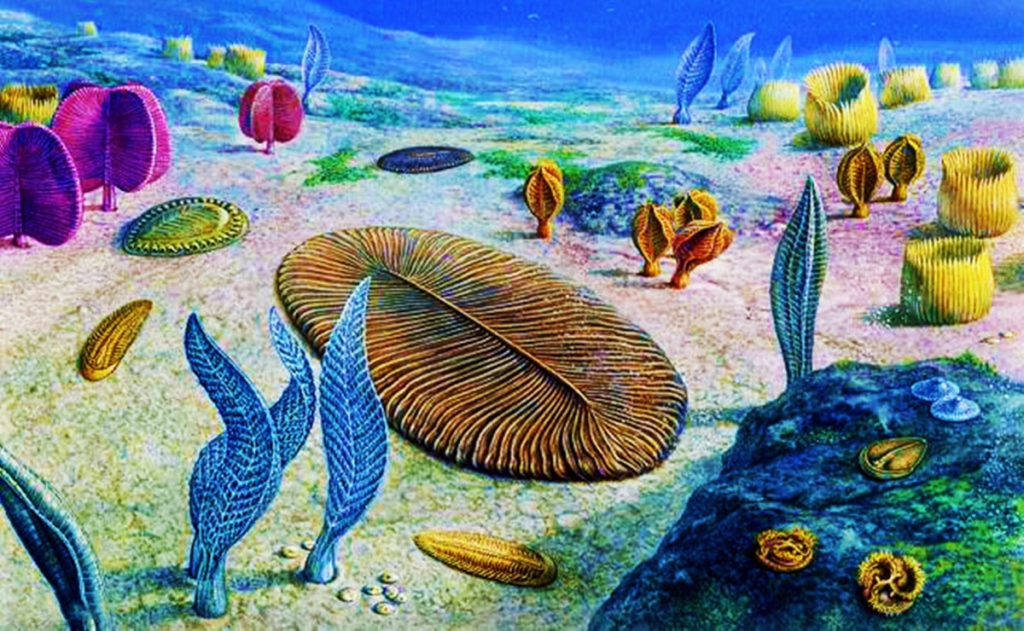
By the Neoproterozoic, simple multicellular life forms, including early algae, began to appear. Fossil evidence from this period indicates the presence of organized colonies, suggesting the first steps toward complex ecosystems. This biological innovation laid the groundwork for the Cambrian explosion, which occurred in the subsequent Phanerozoic Eon.
Major Events of the Proterozoic_Eon
The Proterozoic_Eon was marked by several notable events that shaped Earth’s geological and biological history.
Glaciations
Several global glaciations occurred during this eon, most notably during the Neoproterozoic. These Snowball Earth events had profound effects on the climate, ocean chemistry, and evolution of life. Glacial deposits from this time have been found worldwide, providing clear evidence of these extreme conditions.
Supercontinent Cycles
The assembly and breakup of supercontinents were central features of the Proterozoic_Eon. These tectonic cycles influenced sea levels, climate, and biodiversity. The formation of Rodinia around 1.0 billion years ago was a major milestone, influencing ocean circulation patterns and nutrient distribution.
Evolutionary Milestones
The Proterozoic_Eon witnessed critical evolutionary developments, including:
- The rise of eukaryotic cells
- The first multicellular organisms
- Early sexual reproduction in simple life forms
These innovations were crucial for the subsequent diversification of life in the Phanerozoic Eon.
Proterozoic Eon Fossil Record
Although life was mostly microscopic during the Proterozoic_Eon, fossil evidence provides insights into early biological evolution.
Stromatolites
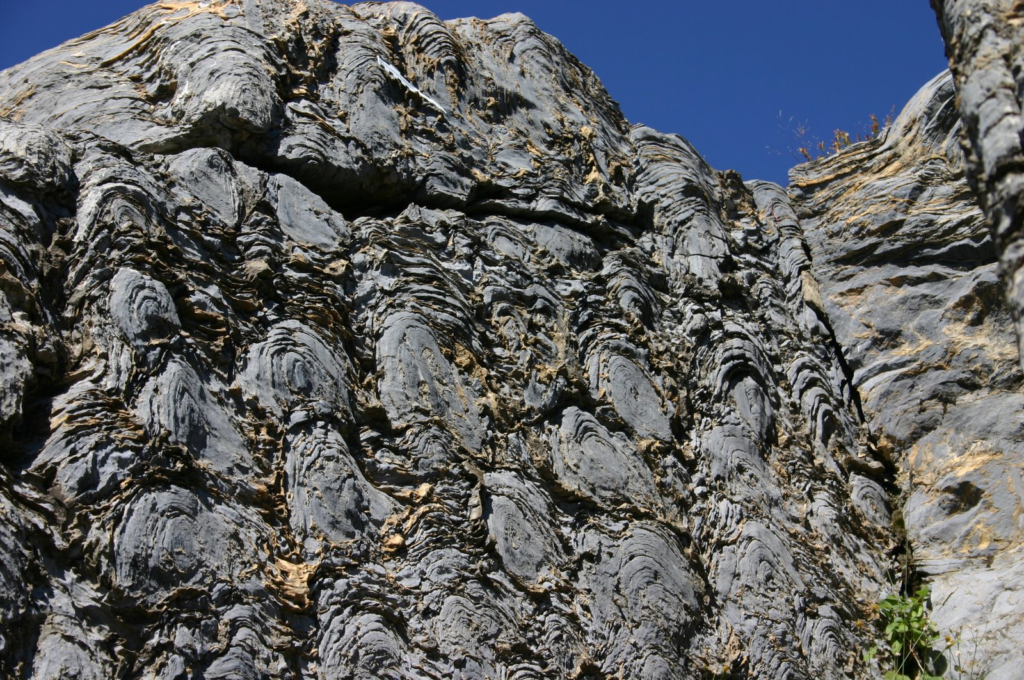
Stromatolites, layered structures formed by microbial communities, are abundant in the Proterozoic_Eon fossil record. They serve as evidence of early photosynthetic activity and the influence of microorganisms on the environment.
Acritarchs
Acritarchs, tiny organic microfossils, appeared during the Mesoproterozoic. They are considered among the earliest eukaryotic organisms and provide valuable clues about the diversity of life during this eon.
Geological Resources from the Proterozoic_Eon
The Proterozoic_Eon is also important for economic geology. Many mineral deposits formed during this time, including:
- Banded iron formations (BIFs)
- Copper and nickel deposits
- Uranium ores
These resources continue to be significant for modern industry and energy production.
Conclusion: The Significance of the Proterozoic_Eon
The Proterozoic_Eon was a transformative period in Earth’s history. From the stabilization of continents to the rise of oxygen and the emergence of complex life, this eon laid the foundations for modern Earth. Understanding the Proterozoic_Eon is crucial for geologists, paleontologists, and anyone fascinated by the origins of life and the evolution of our planet.
