


The terminal high altitude area defense system, commonly known as THAAD, is one of the most advanced missile defense technologies in the modern world. It is designed to detect, track, and intercept incoming ballistic missiles during their final phase of flight. As global security threats evolve, systems like terminal high altitude area defense have become central to national defense strategies.
In this comprehensive guide, we will explore how the terminal high altitude area defense system works, its technology, components, deployment, strategic importance, advantages, limitations, and its role in global defense systems.
What Is Terminal High Altitude Area Defense?
The terminal high altitude area defense system is a mobile anti-ballistic missile defense platform developed to protect regions from short, medium, and intermediate-range ballistic missile threats.
It is designed to intercept missiles during the “terminal phase,” meaning the final stage of a missile’s flight as it re-enters the atmosphere and approaches its target.
Key Purpose:
- Defend against ballistic missile attacks
- Intercept threats at high altitude
- Protect military and civilian areas
- Enhance regional security
The terminal high altitude area defense system is a key part of layered missile defense architecture.
How Terminal High Altitude Area Defense Works
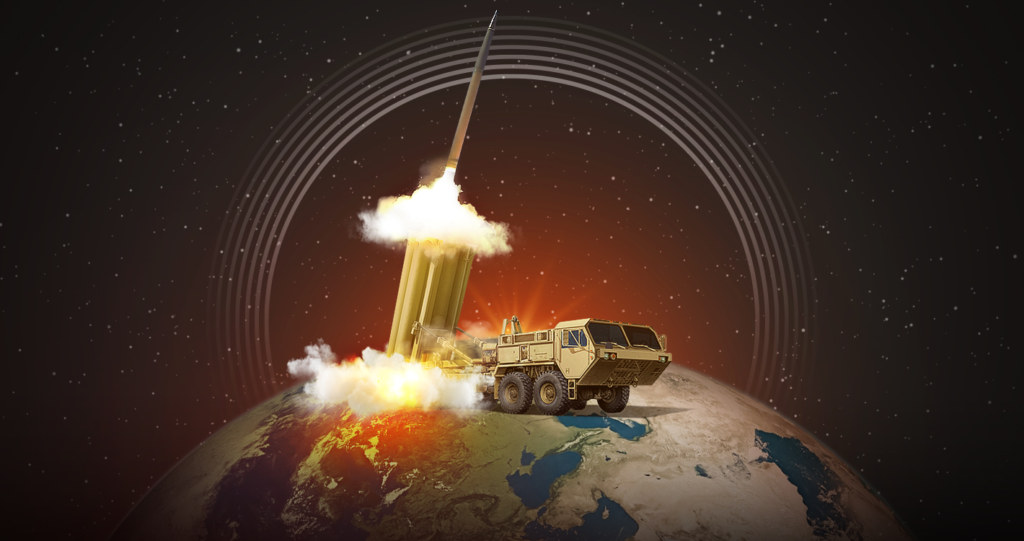
The terminal high altitude area defense system uses advanced radar, command systems, and interceptor missiles to neutralize incoming threats.
Step 1: Detection
A powerful radar system detects incoming ballistic missiles from long distances.
Step 2: Tracking
The system tracks the missile’s speed, direction, and trajectory in real time.
Step 3: Interception
A high-speed interceptor missile is launched to collide with the incoming threat.
Step 4: Destruction
The threat is destroyed through kinetic impact, meaning no explosives are used—just direct collision.
Key Components of Terminal High Altitude Area Defense
The terminal high altitude area defense system consists of several integrated components.
1. AN/TPY-2 Radar
- High-resolution tracking radar
- Detects missile threats at long range
- Provides targeting data
2. Interceptor Missiles
- High-speed kinetic vehicles
- Designed to destroy targets mid-air
- No warhead required
3. Fire Control System
- Command and communication center
- Processes radar data
- Coordinates launch decisions
4. Launching System
- Mobile launcher units
- Rapid deployment capability
- Can operate in various environments
Terminal High Altitude Area Defense Technology
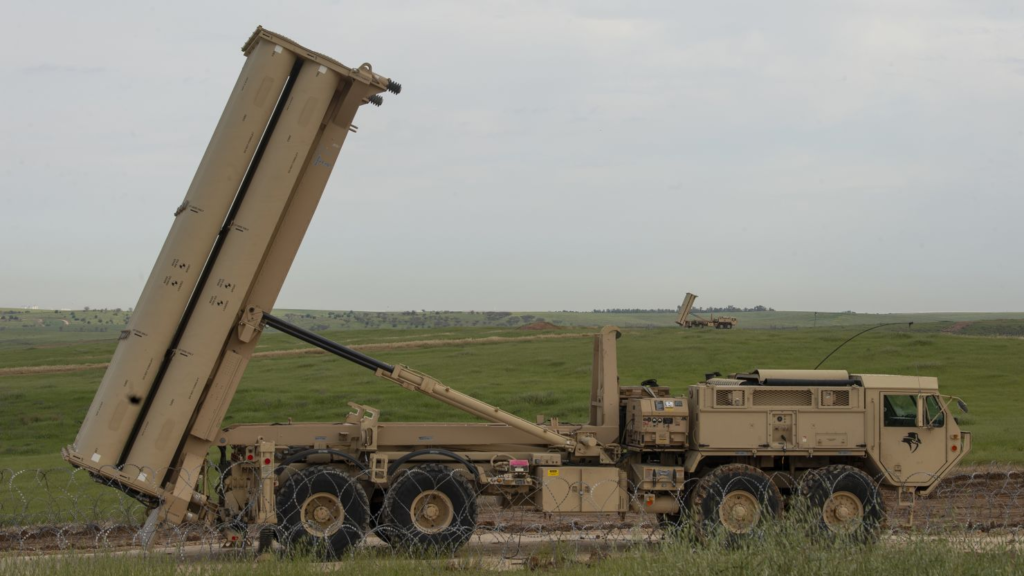
The terminal high altitude area defense system uses cutting-edge technology to ensure accuracy and speed.
1. Kinetic Kill Technology
Instead of explosives, the system relies on direct impact to destroy missiles.
2. Advanced Radar Systems
High-frequency radar allows precise tracking of fast-moving objects.
3. Real-Time Data Processing
The system analyzes missile trajectories in seconds.
4. Mobile Deployment Capability
THAAD units can be relocated based on threat levels.
Strategic Importance of Terminal High Altitude Area Defense
The terminal high altitude area defense system plays a major role in modern military defense strategy.
1. National Defense Protection
It helps protect critical infrastructure and population centers.
2. Missile Threat Deterrence
Its presence discourages potential missile attacks.
3. Regional Stability
It contributes to maintaining balance in high-risk regions.
4. Layered Defense Systems
THAAD works alongside other systems like Patriot and Aegis.
Terminal High Altitude Area Defense vs Other Missile Systems
The terminal high altitude area defense system is often compared with other missile defense systems.
THAAD vs Patriot System:
- THAAD intercepts at higher altitude
- Patriot works at lower atmospheric levels
- THAAD covers broader area defense
THAAD vs Aegis System:
- Aegis is ship-based
- THAAD is land-based
- Both work in integrated defense networks
Deployment of Terminal High Altitude Area Defense
The terminal high altitude area defense system has been deployed in various strategic regions.
Deployment Factors:
- Regional security needs
- Missile threat assessment
- Alliance agreements
- Strategic defense positioning
It is often deployed in areas with high geopolitical tension.
Terminal High Altitude Area Defense and Global Security
The terminal high altitude area defense system plays a role in global military balance.
Key Impacts:
- Strengthens allied defense systems
- Influences international relations
- Acts as deterrence against missile attacks
- Shapes defense policies of nations
Advantages of Terminal High Altitude Area Defense
The terminal high altitude area defense system offers several benefits.
1. High-Altitude Interception
Can destroy missiles outside the atmosphere or at high altitude.
2. No Explosive Warhead
Uses kinetic impact, reducing risk of secondary explosions.
3. High Accuracy
Advanced radar ensures precise targeting.
4. Rapid Response
Can react quickly to fast-moving threats.
5. Mobility
Systems can be relocated as needed.
Limitations of Terminal High Altitude Area Defense
Despite its strengths, the terminal high altitude area defense system has limitations.
1. High Cost
Development and deployment are extremely expensive.
2. Limited Coverage
Each unit covers a specific area, not global protection.
3. Complex Technology
Requires advanced infrastructure and trained personnel.
4. Countermeasure Challenges
Adversaries may develop tactics to bypass interception systems.
Terminal High Altitude Area Defense in Modern Warfare
Modern warfare increasingly relies on missile defense systems like terminal high altitude area defense.
Role in Defense Strategy:
- Protects military bases
- Shields urban populations
- Supports air defense networks
- Enhances national security readiness
Terminal High Altitude Area Defense and Geopolitics
The terminal high altitude area defense system is often part of geopolitical discussions.
Key Issues:
- Military alliances
- Regional power balance
- Defense agreements
- Strategic deterrence
Its deployment can influence diplomatic relations between countries.
Future of Terminal High Altitude Area Defense
The future of the terminal high altitude area defense system is focused on modernization and integration.
Future Developments:
- Improved radar sensitivity
- Faster interceptor missiles
- AI-based threat detection
- Integration with satellite systems
- Expanded coverage capabilities
As missile technology evolves, THAAD systems will also advance.
Terminal High Altitude Area Defense in Layered Defense Systems
Modern defense relies on multiple layers, and terminal high altitude area defense is a key part of this structure.
Defense Layers:
- Long-range detection systems
- Mid-range interception systems
- High-altitude systems like THAAD
- Short-range defense systems
This layered approach increases overall protection effectiveness.
Importance of Terminal High Altitude Area Defense in National Security
The terminal high altitude area defense system is essential for protecting nations against advanced missile threats.
Key Security Benefits:
- Early threat neutralization
- Protection of critical infrastructure
- Defense against high-speed missiles
- Strengthened military readiness
Frequently Asked Questions
What is terminal high altitude area defense?
It is a missile defense system designed to intercept ballistic missiles at high altitude during their final flight phase.
How does THAAD work?
It detects, tracks, and destroys incoming missiles using kinetic impact technology.
Is terminal high altitude area defense effective?
Yes, it is considered one of the most advanced missile defense systems.
Does THAAD use explosives?
No, it destroys targets through direct collision.
Why is THAAD important?
It provides protection against missile threats and strengthens national defense systems.
Final Thoughts on Terminal High Altitude Area Defense
The terminal high altitude area defense system represents one of the most advanced achievements in modern military technology. By combining radar detection, real-time tracking, and kinetic interception, it provides strong protection against ballistic missile threats.
While it has limitations such as high cost and limited coverage, its strategic importance in global defense cannot be ignored. As missile threats continue to evolve, systems like terminal high altitude area defense will remain essential in maintaining security, stability, and deterrence in the modern world.
