

Introduction
Understanding how many ounces in a cup is essential for anyone who cooks, bakes, or follows recipes regularly. Whether you are a beginner in the kitchen or an experienced chef, knowing accurate measurements ensures your recipes turn out perfectly every time.
In cooking and baking, even small measurement mistakes can affect taste, texture, and consistency. That’s why learning how many ounces are in a cup is one of the most important basics in the kitchen.
This guide will explain everything in detail, including fluid ounces vs dry ounces, conversion charts, international differences, and practical tips for accurate measurement.
How Many Ounces in a Cup? (Quick Answer)
The most common answer to how many ounces in a cup is:
- 1 cup = 8 fluid ounces (fl oz)
This measurement is standard in the United States for liquid ingredients.
However, things can get slightly more complicated when dealing with dry ingredients or different measurement systems.
Understanding How Many Ounces in a Cup for Liquids


When measuring liquids, the rule for how many ounces in a cup is straightforward:
- 1 cup = 8 fluid ounces
- 2 cups = 16 fluid ounces
- 4 cups = 32 fluid ounces
Liquid measurements are consistent because fluid ounces measure volume, not weight.
Common Liquid Ingredients
Examples include:
- Water
- Milk
- Oil
- Juice
👉 Always use a liquid measuring cup for best accuracy.
How Many Ounces in a Cup for Dry Ingredients


When it comes to dry ingredients, how many ounces in a cup is not always the same.
Why? Because ounces can measure weight, and different ingredients have different densities.
Examples:
- 1 cup of flour ≈ 4.5 ounces
- 1 cup of sugar ≈ 7 ounces
- 1 cup of butter ≈ 8 ounces
👉 This means a cup of one ingredient may weigh more or less than another.
Fluid Ounces vs Dry Ounces Explained
Understanding the difference is key to mastering how many ounces in a cup.
Fluid Ounces (Volume)
- Used for liquids
- 1 cup = 8 fluid ounces
Dry Ounces (Weight)
- Used for solids
- Varies depending on ingredient
👉 This is why recipes sometimes specify “fluid ounces” or “ounces by weight.”
Why Knowing How Many Ounces in a Cup Matters
Accurate measurements are crucial in cooking and baking.
Benefits:
- Ensures consistent results
- Prevents recipe failure
- Improves taste and texture
- Helps in portion control
Professional chefs always rely on precise measurements.
How Many Ounces in a Cup in Different Countries


The answer to how many ounces in a cup can vary depending on the country.
United States
- 1 cup = 8 fluid ounces
United Kingdom
- 1 cup ≈ 10 fluid ounces (approximate)
Australia
- 1 cup = 250 ml
👉 Always check the measurement system used in your recipe.
Conversion Chart for How Many Ounces in a Cup
Here’s a quick reference table:
| Cups | Fluid Ounces |
|---|---|
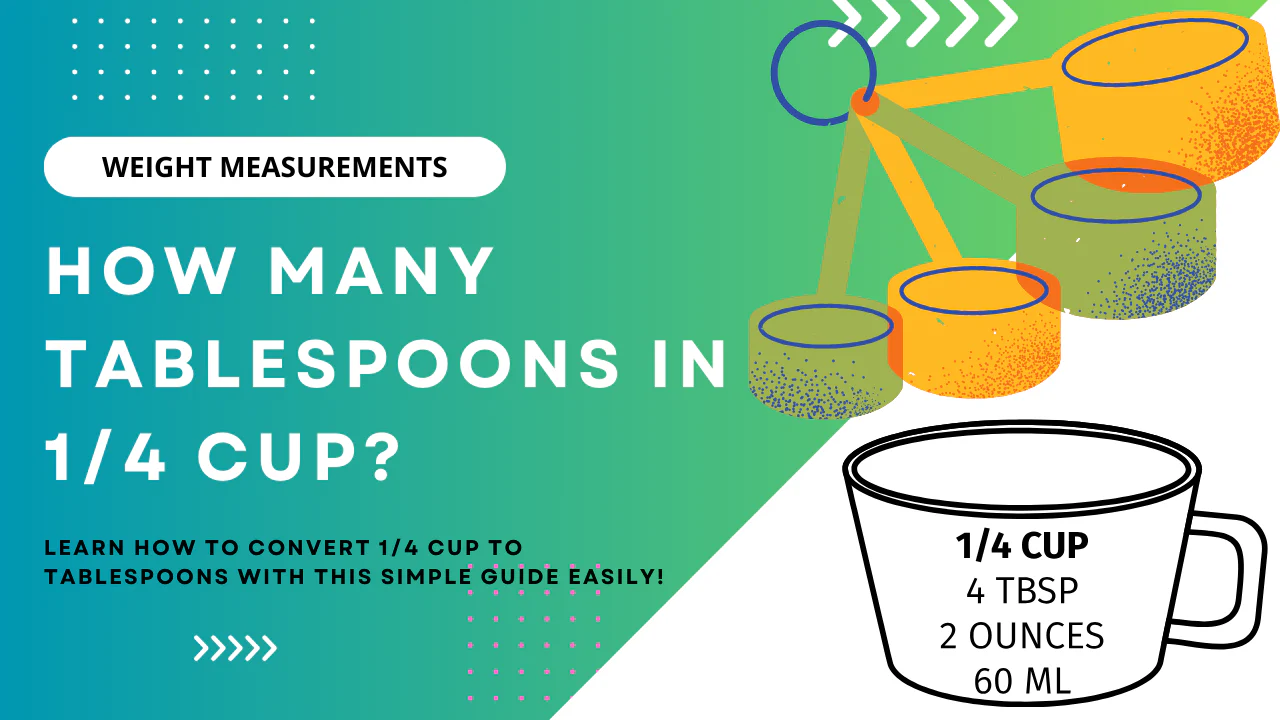
| 1/4 cup | 2 oz |
| 1/2 cup | 4 oz |
| 1 cup | 8 oz |
| 2 cups | 16 oz |
| 4 cups | 32 oz |
👉 This chart is useful for quick kitchen conversions.
Tips for Measuring Accurately
To correctly apply how many ounces in a cup, follow these tips:
1. Use the Right Measuring Tools
- Liquid measuring cups for liquids
- Dry measuring cups for solids
2. Level Dry Ingredients
Use a flat edge to level flour or sugar.
3. Check Eye Level
Always measure liquids at eye level to avoid errors.
4. Avoid Packing Ingredients
Unless the recipe says so, do not pack ingredients like flour.
Common Mistakes When Measuring Cups and Ounces
Many people misunderstand how many ounces in a cup.
Mistakes to Avoid:
- Confusing fluid ounces with weight
- Using the wrong measuring cup
- Not leveling dry ingredients
- Ignoring recipe instructions
Avoiding these mistakes improves cooking results.
How Many Ounces in a Cup for Popular Ingredients
Here are some common conversions:
Flour
- 1 cup ≈ 4.5 oz
Sugar
- 1 cup ≈ 7 oz
Butter
- 1 cup = 8 oz
Milk
- 1 cup = 8 fluid oz
👉 Always double-check ingredient-specific conversions.
Kitchen Tools That Help with Measurements


To master how many ounces in a cup, consider using:
- Measuring cups
- Measuring spoons
- Digital kitchen scale
- Liquid measuring jug
These tools ensure accuracy and consistency.
How Many Ounces in a Cup for Baking vs Cooking
Baking
- Requires precise measurements
- Even small errors can ruin recipes
Cooking
- More flexible with measurements
- Adjustments are easier
👉 Always be extra careful when baking.
Easy Way to Remember How Many Ounces in a Cup
A simple trick:
👉 “1 cup = 8 ounces”
You can remember it as:
- 8 ounces = 1 cup
- 16 ounces = 2 cups
- 32 ounces = 4 cups
Frequently Asked Questions
How many ounces in a cup of water?
There are 8 fluid ounces in one cup of water.
Is 1 cup always 8 ounces?
Yes for liquids, but not always for dry ingredients.
How many ounces in half a cup?
Half a cup equals 4 fluid ounces.
Can I use a scale instead of cups?
Yes, using a digital scale is often more accurate.
Conclusion
Understanding how many ounces in a cup is a fundamental skill that every cook and baker should know. While the standard answer is 8 fluid ounces per cup, variations exist when dealing with dry ingredients and international measurements.
By using the right tools, following proper techniques, and understanding conversions, you can ensure your recipes turn out perfectly every time.
Mastering this simple concept will make your cooking easier, more accurate, and more enjoyable.
