

Introduction
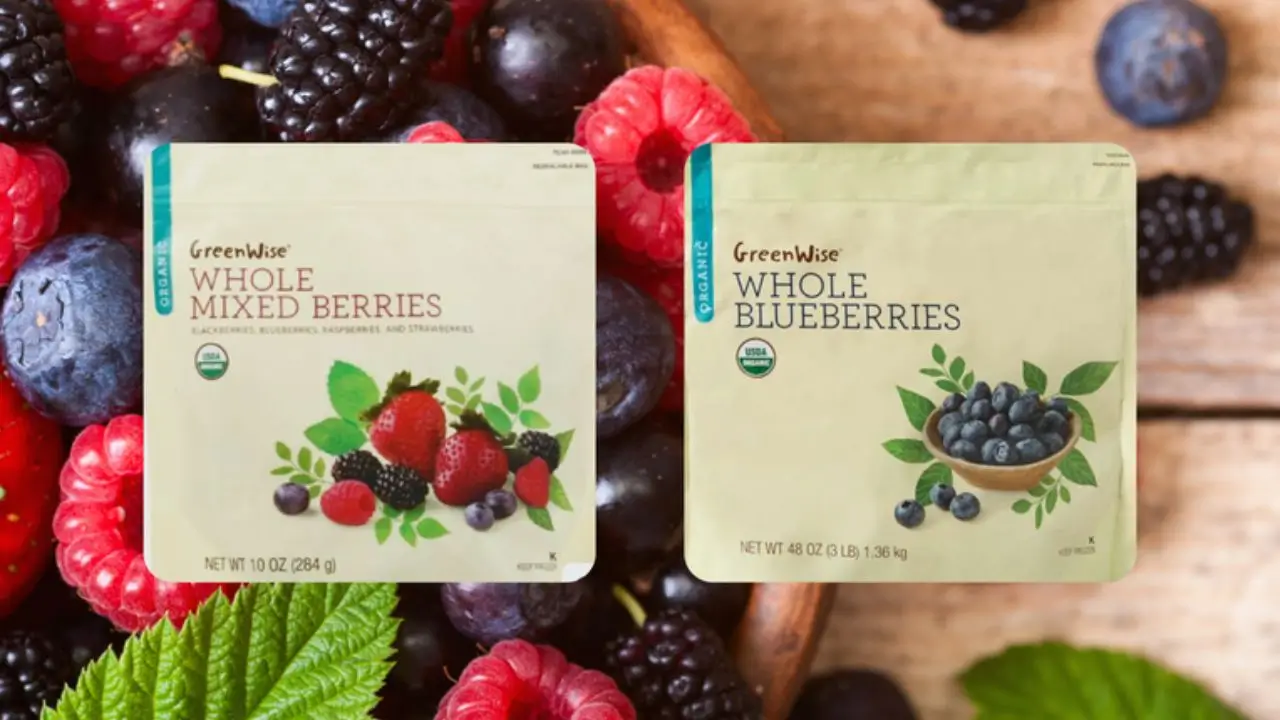
A blueberry recall can turn an ordinary grocery purchase into a serious food-safety concern. Blueberries are often eaten fresh, added to smoothies, mixed into yogurt, baked into desserts, or packed into children’s lunches. Because they are commonly consumed without cooking, a contamination problem can potentially affect people before they realize anything is wrong.
The term blueberry recall can refer to a specific product withdrawal involving fresh, frozen, packaged, or processed blueberries. Recalls may happen because testing identifies harmful bacteria, because a supplier discovers a contamination problem, or because labeling or packaging creates a safety risk. The affected products can vary by brand, package size, production date, lot code, and distribution area.
For consumers, the most important point is simple: a recalled food should not be eaten just because it looks, smells, or tastes normal. Some foodborne contaminants cannot be detected through appearance or smell. Understanding how recalls work and knowing what steps to take can help households respond quickly and safely.
1. What Does a Blueberry Recall Actually Mean?
A blueberry recall is an action taken when blueberries or a product containing blueberries may pose a health or safety risk. The recall can be initiated by a food manufacturer, distributor, importer, retailer, or regulatory authority. In some cases, companies voluntarily remove products from shelves after discovering a problem; in other situations, government authorities may require corrective action.
There is no single reason that blueberries are recalled. Microbial contamination is one of the major concerns, particularly when testing identifies organisms capable of causing foodborne illness. Other recalls can involve undeclared ingredients in blueberry products, incorrect labels, packaging problems, foreign materials, or issues involving processing and storage. The exact reason matters because the appropriate response depends on the specific recall notice.
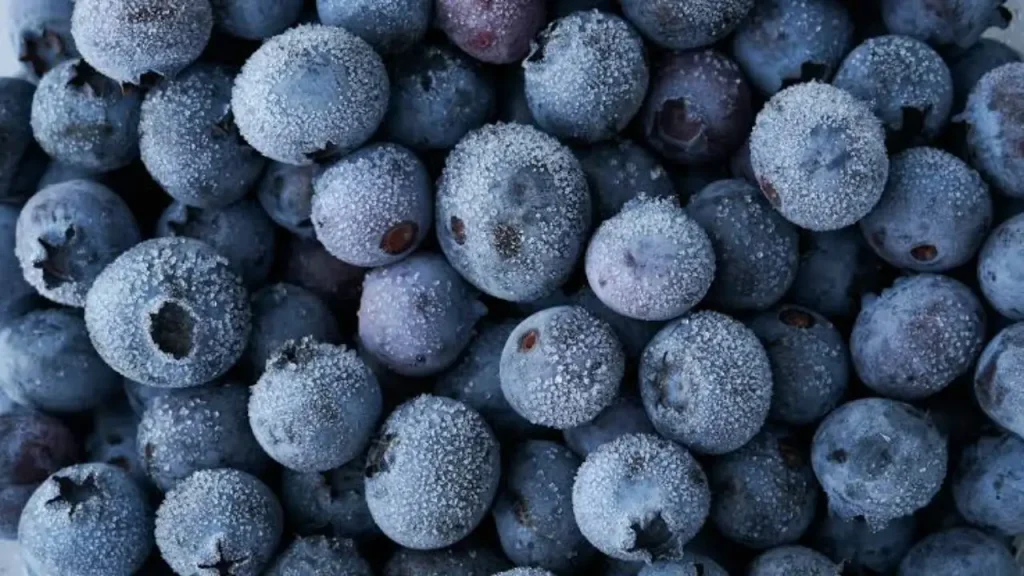
A recall also does not necessarily mean that every blueberry product sold under a particular brand is unsafe. Usually, recalls identify particular lots, dates, package sizes, UPC codes, production facilities, or distribution regions. That is why consumers should compare the details on their package with the official information associated with the recall rather than assuming that every package is affected.
Why Recalls Can Happen Without Visible Spoilage
One of the most misleading aspects of food contamination is that unsafe food may appear completely normal. Fresh blueberries can maintain their familiar color and texture even when a microscopic contaminant is present. Washing may also reduce some surface contamination, but it should not be treated as a guarantee that recalled food has become safe.
For that reason, consumers should not use smell, taste, or appearance as the final test. If a package clearly matches an active recall, the safest choice is to stop using it and follow the disposal or return instructions provided in the recall notice.
2. Why Are Blueberries Sometimes Recalled?
Fresh produce passes through a long chain before reaching a kitchen. Blueberries may be grown on farms, harvested by workers or machinery, transported to packing facilities, sorted, packaged, refrigerated, distributed, and eventually displayed at stores. Each stage creates opportunities for contamination if appropriate controls are not maintained.
Water quality, handling practices, equipment, transportation, storage conditions, and sanitation can all influence food safety. Contamination may also originate before the fruit reaches a processing or packing facility. When testing identifies a possible hazard, investigators may examine the wider supply chain to determine how far the affected product traveled.
| Section | Key Information |
|---|---|
| Keyword | Blueberry Recall |
| Topic | Food Safety & Recalls |
| Main Concern | Potentially contaminated or unsafe blueberry products |
| Common Recall Reasons | Bacterial contamination, foreign materials, undeclared allergens, labeling or packaging problems |
| Products Affected | Fresh blueberries, frozen blueberries, processed products, and foods containing blueberries |
| How to Identify Affected Products | Brand, product name, package size, UPC/barcode, lot number, dates, and distribution area |
| What Consumers Should Do | Stop consuming affected products and follow the recall’s return or disposal instructions |
| Can Recalled Blueberries Look Normal? | Yes. Contaminated food may look, smell, and taste normal |
| Should Recalled Blueberries Be Washed? | No. Washing should not be used to make recalled food safe |
| If Already Consumed | Monitor for symptoms and seek medical advice if concerning or severe symptoms develop |
| Higher-Risk Groups | Young children, older adults, pregnant people, and people with weakened immune systems |
| Prevention Tips | Wash fresh produce properly, maintain clean surfaces, prevent cross-contamination, and follow food-safety alerts |
| Article Category | Health |
| Suggested Subcategory | Medical News / Food Safety |
Another factor is that blueberries are frequently eaten raw. Consumers may rinse fresh berries before eating them, but there is no household washing method that should be relied upon to make recalled food safe. A recall exists because the product has been identified as potentially unsafe under the conditions described by the responsible authorities or company.
Common Reasons Behind a Recall
Food recalls involving blueberries or blueberry-containing products can arise from several circumstances:
- Detection of harmful bacteria or other pathogens
- Potential contamination during harvesting, processing, or packaging
- Problems with sanitation or food-handling procedures
- Undeclared allergens in products containing blueberries
- Foreign material discovered in packaged food
- Incorrect labeling or packaging
- Problems affecting frozen or processed blueberry products
- Distribution of products outside the intended safety controls
The reason listed in a recall notice should always be taken seriously. A recall involving bacterial contamination presents a different concern from one involving a labeling error, but both require consumers to identify the affected product correctly.
3. How to Check Whether Your Blueberries Are Part of a Recall
When consumers hear about a blueberry recall, the first instinct may be to throw away every blueberry in the refrigerator. That can be unnecessarily wasteful if the product is not part of the recall. A better approach is to compare the package carefully with the details provided in the official recall announcement.
Look for the brand name, product description, package weight, UPC or barcode information, lot number, best-by or use-by date, and distribution location. Some recalls affect only certain production batches, while other announcements cover a wider range of products. Frozen blueberries, fresh berries, fruit mixes, smoothies, bakery products, and other foods containing blueberries may have completely different identification details.
If the original packaging has already been discarded, identification becomes more difficult. In that situation, think about where and when the product was purchased and whether the recall notice identifies a particular retailer, distribution area, or date range. When you cannot confidently determine whether a product is affected, avoiding consumption until the product can be properly identified is the safer approach.
Check the Details, Not Just the Brand
A brand name alone is rarely enough to determine whether a product is included. Imagine that a company sells blueberries in several package sizes but recalls only one production lot. Throwing away every product from that company would go beyond the information provided by the recall.
The same principle applies in reverse. Finding that a brand has a recall does not mean that an unrelated package from a different production date is automatically affected. Consumers should match as many identifying details as possible before deciding that a package is safe or unsafe.
4. What Should You Do If You Have Recalled Blueberries?
If your blueberries match the affected product information, do not eat them. This applies even if the berries look fresh, have no unusual smell, and have already been washed. Place the product aside so that nobody in the household accidentally consumes it.
Follow the recall instructions regarding disposal or return. Some recalls ask consumers to throw products away in a way that prevents other people or animals from accessing them. Others may recommend returning the product to the store for a refund. The specific instructions can vary, so consumers should follow the directions connected with the recall rather than relying on general assumptions.
It is also sensible to consider where the berries may have been used. If recalled blueberries were added to a smoothie, baked dish, fruit salad, or other food, the finished food may also need to be discarded depending on the recall instructions. Kitchen surfaces, containers, utensils, and refrigerator areas that came into contact with potentially contaminated food should be cleaned appropriately.
What If You Already Ate the Blueberries?
Eating a recalled product does not automatically mean that you will become sick. The level of risk depends on the contaminant, the amount consumed, the individual’s health, and other factors. Still, anyone who has eaten recalled food should pay attention to relevant symptoms and follow advice provided by health authorities.
Foodborne illness can cause symptoms such as diarrhea, stomach cramps, nausea, vomiting, and fever. Some infections can become more serious, particularly in young children, older adults, pregnant people, and individuals with weakened immune systems. Anyone who develops concerning or severe symptoms after consuming recalled food should seek appropriate medical advice rather than attempting to diagnose the cause independently.
5. How Consumers Can Reduce Food-Safety Risks From Blueberries
A recall is a reminder that food safety does not end when produce reaches the grocery store. Consumers can reduce everyday risks by handling berries carefully after purchase. Fresh blueberries should be kept refrigerated when appropriate and handled with clean hands and utensils.
Before eating fresh produce, consumers should follow recommended washing practices. Blueberries can be rinsed under clean running water immediately before eating. Washing produce can remove dirt and some contaminants from the surface, but it does not make recalled food safe and should never be considered a substitute for following a recall notice.
It is equally important to prevent cross-contamination. If raw produce comes into contact with dirty surfaces, utensils, or hands, contaminants can potentially spread to other foods. Clean preparation areas and regular handwashing are simple measures that can make a meaningful difference.
Be Particularly Careful With Children and Vulnerable Household Members
Young children may eat blueberries by the handful, while older adults or people with certain medical vulnerabilities may experience more serious consequences from some foodborne infections. During a recall, households should be especially careful about checking snacks, lunch containers, frozen fruit, smoothies, and prepared foods.

Parents and caregivers should also remember that blueberries can appear in many foods beyond a standard plastic container of fresh berries. Frozen fruit mixtures, muffins, cereals, yogurt products, juices, jams, and prepared desserts may contain blueberries. A recall announcement should therefore be read carefully to determine whether related products are included.
Conclusion
A blueberry recall should never be treated as a minor inconvenience. Because contaminated fruit can look perfectly normal, consumers should rely on official recall information and product-identification details rather than appearance or smell. Checking the brand, package size, lot information, dates, and distribution details can help determine whether a particular product is affected.
If your blueberries are included in a recall, stop eating them and follow the recommended disposal or return instructions. If you have already consumed the product, remain alert to possible symptoms and seek medical advice when necessary, especially if symptoms are severe or you are caring for someone at higher risk of complications.
The best response to a recall is calm, careful, and practical. Verify the information, remove affected food from your kitchen, clean areas that may have been exposed, and pay attention to future food-safety announcements. A few minutes of careful checking can prevent an unnecessary health risk.
Frequently Asked Questions About Blueberry Recall
1. What is a blueberry recall?
A blueberry recall is an announcement that certain blueberry products may be unsafe or may not meet required food-safety standards. The recall can involve fresh, frozen, processed, or blueberry-containing products.
2. Why might blueberries be recalled?
Blueberries may be recalled because of possible bacterial contamination, foreign materials, labeling problems, undeclared allergens, packaging issues, or other food-safety concerns.
3. Can recalled blueberries look normal?
Yes. Food contaminated with harmful microorganisms may look, smell, and taste normal. Consumers should never use appearance or smell as the only way to determine whether recalled blueberries are safe.
4. Should I wash recalled blueberries before eating them?
No. Washing should not be used as a way to make recalled blueberries safe. If the product is included in an active recall, follow the recall instructions instead of consuming it after washing.
5. What should I do if I bought recalled blueberries?
Do not eat them. Check the recall instructions for guidance on returning or safely disposing of the product. Keep the affected food away from other household members until it has been dealt with.
6. What if I already ate recalled blueberries?
Do not panic, but monitor yourself for symptoms associated with foodborne illness. If you become seriously ill or develop concerning symptoms, contact a healthcare professional for appropriate advice.
7. Does a recall affect every package from the same brand?
Not necessarily. Recalls often apply to specific lots, package sizes, dates, facilities, or distribution areas. Carefully compare your product with the identifying information in the recall notice.
8. Can frozen blueberries be recalled too?
Yes. Recalls can involve frozen blueberries as well as fresh berries. Frozen fruit may also be included in mixed-fruit products, smoothies, desserts, or other prepared foods.
9. Can children eat blueberries during a recall?
Children should not eat blueberries that match an active recall. Parents and caregivers should also check prepared foods and snacks that may contain the affected berries.
10. How can I stay informed about blueberry recalls?
Consumers can regularly check food-safety announcements from appropriate government authorities, retailers, and food manufacturers. Keeping product packaging until the food has been consumed can also make it easier to identify lot numbers and dates if a recall is announced later.
