

Introduction
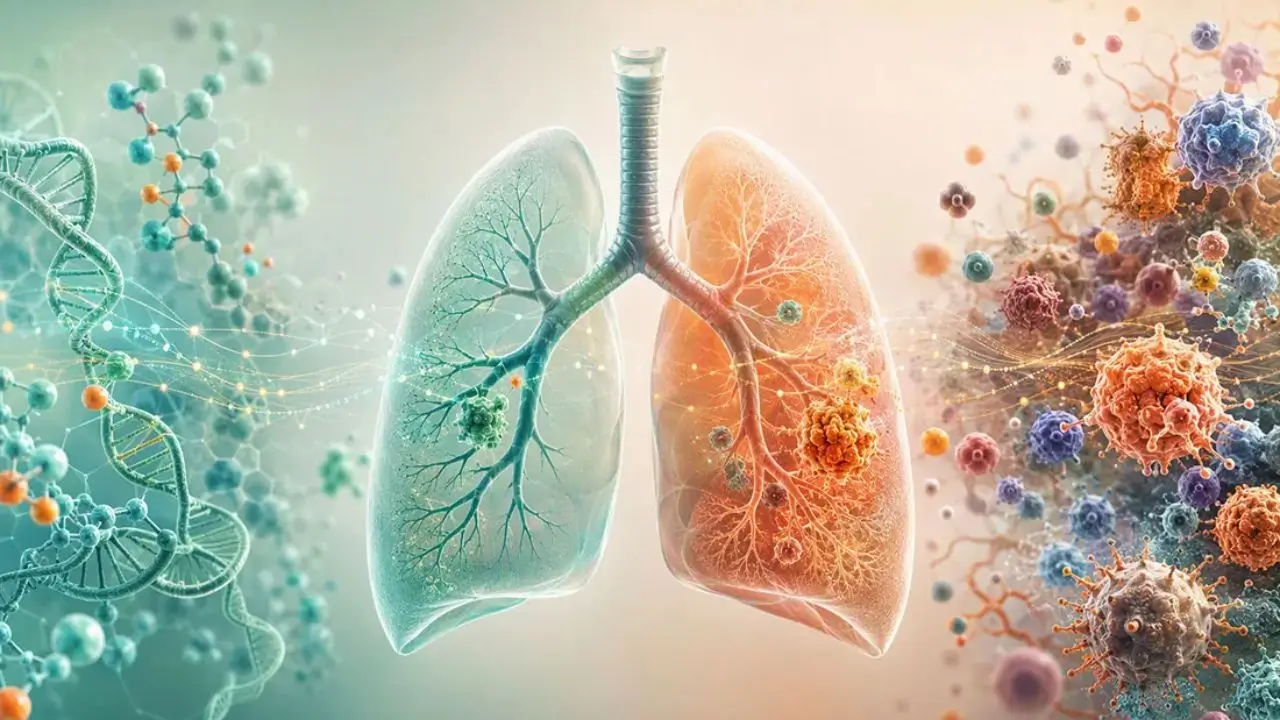
Cancer is a word that can instantly change the atmosphere in a family. Yet behind that frightening diagnosis is a complex group of diseases that doctors and researchers understand far better than they once did. Cancer is not a single illness with one cause or one treatment. It can begin in almost any tissue of the body, behave differently from one person to another, and require a highly individualized approach to care.
At its most basic level, cancer develops when abnormal cells acquire changes that allow them to grow and divide without normal control. Some cancer cells can invade nearby tissues and travel to distant organs, a process known as metastasis. According to the World Health Organization, cancer caused nearly 10 million deaths worldwide in 2024, making it one of the world’s major health challenges. At the same time, many cancers can be prevented, detected early, successfully treated, or managed for long periods.
Understanding cancer does not remove the seriousness of the disease, but it can replace some fear with useful knowledge. Learning about risk factors, warning signs, screening, diagnosis, treatment, and prevention can help people make informed decisions and recognize when professional medical advice is needed.
1. What Is Cancer and How Does It Develop?
The human body contains trillions of cells, and most of them follow a remarkably organized life cycle. Cells divide when new cells are needed, perform their specialized functions, repair themselves when possible, and eventually die when they are old or damaged. Cancer begins when this system becomes disrupted. Certain cells acquire genetic changes that allow them to continue multiplying when they should stop, resist normal cell death, or develop other abilities that help them survive and grow.
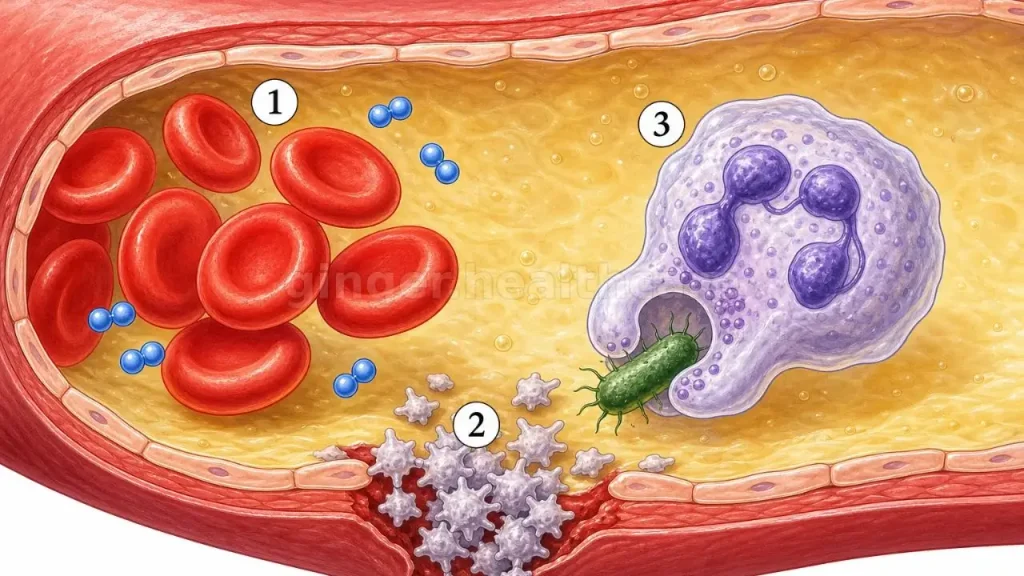
Cancer is therefore better understood as a collection of related diseases rather than one condition. A cancer that begins in the breast is biologically different from one that starts in the lung, colon, blood, or skin. Even two people with cancer in the same organ may have tumors with different genetic characteristics and different responses to treatment. This is one reason modern cancer care increasingly focuses on the individual characteristics of a tumor rather than relying only on where the cancer started.
Tumors and metastasis
Some cancers form solid tumors, which are masses of abnormal tissue. Not every tumor is cancerous. Benign tumors generally do not invade surrounding tissues or spread throughout the body, whereas malignant tumors can invade nearby structures and, in some cases, send cancer cells into the bloodstream or lymphatic system.
When cancer cells establish themselves in another part of the body, the process is called metastasis. A breast cancer that spreads to the bones, for example, remains breast cancer biologically; it does not become bone cancer simply because it has reached the bone. Metastatic disease can be more difficult to treat, which is why early diagnosis and appropriate treatment are so valuable.
| Category | Details |
|---|---|
| Keyword | Cancer |
| Topic | Health |
| Main Category | Health |
| Subcategory | Medical News / Health Information |
| Search Intent | Informational |
| Content Type | Health Guide |
| Primary Focus | Causes, symptoms, types, diagnosis, treatment, prevention |
| Target Audience | General readers seeking reliable cancer information |
| Recommended Tags | Cancer, Cancer Symptoms, Cancer Treatment, Cancer Prevention, Cancer Types, Early Detection |
| Article Format | Long-form informational article |
| Suggested URL Slug | /cancer/ |
Cancer develops through accumulated genetic changes. Some changes occur naturally as cells divide, while others can result from exposure to carcinogens such as tobacco smoke or ultraviolet radiation. Some genetic alterations are inherited from parents. Age also matters because genetic damage can accumulate over time and the body’s ability to repair certain cellular abnormalities may become less effective with aging.
2. Major Types of Cancer and Common Warning Signs
There are hundreds of recognized cancer types, and doctors commonly classify them according to the tissue or cell type where they originate. Carcinomas develop from cells covering surfaces or lining organs, while sarcomas begin in connective tissues such as bone, muscle, fat, or cartilage. Leukemias affect blood-forming tissues, while lymphomas develop from cells of the immune system. Melanoma begins in pigment-producing cells of the skin and can also occur in certain other tissues.
Among the cancers responsible for the greatest number of new cases worldwide are cancers of the lung, breast, colon and rectum, prostate, skin, and stomach. Their frequency differs between countries and populations because cancer risk is influenced by age, genetics, environmental exposures, infections, lifestyle, and access to prevention and healthcare.
Symptoms that deserve attention
Cancer symptoms vary dramatically depending on the type and location of the disease. Some cancers cause noticeable symptoms early, while others can develop quietly until they are more advanced. Possible warning signs can include an unexplained lump or swelling, persistent changes in bowel or bladder habits, unexplained weight loss, prolonged fatigue, unusual bleeding, persistent cough or hoarseness, changes in a mole or skin lesion, difficulty swallowing, or pain that does not have an obvious explanation.
These symptoms do not automatically mean someone has cancer. Many are caused by infections, hormonal changes, injuries, benign growths, digestive disorders, or other common conditions. The National Cancer Institute emphasizes that symptoms can have many causes, but persistent or unusual changes deserve medical evaluation rather than being ignored.
A practical approach is to pay attention to persistence, progression, and unexplained changes. A minor symptom that disappears quickly may require little attention, while a new symptom that continues for several weeks, becomes worse, or is accompanied by other concerning changes should be discussed with a healthcare professional. Self-diagnosis through internet searches can create unnecessary fear, while dismissing persistent symptoms can delay appropriate care.
3. What Causes Cancer and Who Is at Risk?
There is rarely a single explanation for why one person develops cancer while another does not. Cancer usually results from a combination of genetic susceptibility, environmental exposure, biological processes, age, and chance. The National Cancer Institute identifies factors such as tobacco, alcohol, certain chemicals, radiation, sunlight, chronic infections, obesity, diet, hormones, immunosuppression, age, and family history among recognized or studied cancer risk factors.
Tobacco is one of the most significant avoidable cancer risks. Cigarette smoke contains numerous substances capable of damaging DNA, and tobacco exposure is strongly associated with cancers of the lung and several other organs. Alcohol consumption can also increase the risk of several cancers. Other environmental hazards matter as well. For example, excessive ultraviolet radiation increases the risk of skin cancer, while certain occupational exposures can contribute to cancer development.
Infections are another important part of the picture. Certain viruses, bacteria, and parasites can contribute to cancer by causing persistent inflammation, damaging cells, or interfering with normal cellular processes. WHO reports that cancer-causing infections account for a substantial share of cancers in low- and middle-income countries, with HPV and hepatitis viruses among important examples.
Genetics and family history
A family history of cancer does not necessarily mean that a person will develop the disease. However, certain inherited genetic changes can substantially increase the risk of particular cancers. Families in which multiple close relatives develop related cancers, especially at unusually young ages, may benefit from discussing their history with a qualified healthcare professional or genetic counselor.
It is also useful to distinguish inherited mutations from genetic changes acquired during life. Most cancer-causing genetic changes are not inherited directly from parents. They can arise during normal cell division or as a consequence of environmental exposures. This distinction matters because inherited risk may affect screening or genetic counseling, whereas acquired changes are generally specific to the cells that become cancerous.
Age is another major factor. Cancer can occur at any age, including childhood, but the overall risk generally increases as people grow older. This reflects the accumulation of cellular changes over time as well as changes in the body’s repair mechanisms. Age is not something a person can control, but many other risk factors can be modified.
4. How Cancer Is Diagnosed and Staged
A cancer diagnosis usually begins with a medical history and physical examination, followed by tests selected according to the person’s symptoms and suspected condition. Depending on the situation, doctors may use blood or urine tests, imaging studies such as ultrasound, CT, MRI, or mammography, endoscopic examinations, or other specialized procedures.
There is no universal test that can diagnose every cancer. In many cases, a biopsy is required. During a biopsy, a sample of suspicious tissue is removed and examined by specialists under a microscope. The National Cancer Institute notes that a biopsy is often the only way to determine with certainty whether cancer is present.
Why staging matters
Once cancer has been confirmed, doctors generally determine its stage. Staging describes how extensive the cancer is, including the size or extent of the original tumor and whether it has spread to nearby lymph nodes or distant organs. Different cancers use different staging systems, so a stage in one type of cancer cannot necessarily be compared directly with the same stage in another.
Staging helps doctors choose appropriate treatment and estimate prognosis. Additional testing may also examine the tumor’s molecular or genetic characteristics. Modern diagnostic approaches can provide information about the cancer’s origin, subtype, extent, and specific alterations that may influence treatment choices.
Receiving a diagnosis can be emotionally overwhelming. Patients often hear unfamiliar medical terminology while simultaneously trying to understand what happens next. It is reasonable to ask for explanations in plain language, request copies of pathology or imaging reports, take notes during appointments, and bring a trusted person to important consultations when possible. A second medical opinion can also be useful, particularly when the diagnosis is complex or several treatment approaches are available.
5. Cancer Treatment, Recovery, and Living With the Disease
Cancer treatment depends on numerous factors, including the type of cancer, its stage, molecular characteristics, location, overall health, and the goals of treatment. Surgery may be used to remove a tumor, while radiation therapy uses high-energy radiation to damage cancer cells. Systemic treatments, including chemotherapy, hormonal therapy, targeted therapy, and immunotherapy, may travel through the bloodstream or otherwise affect cancer throughout the body.
Many patients receive combinations of treatments rather than one therapy alone. For example, surgery may be followed by chemotherapy or radiation to reduce the risk of recurrence. In another situation, targeted or immune-based treatment may be selected because testing shows that a tumor has particular biological features. Treatment plans are increasingly individualized, reflecting the fact that cancers with the same general name can behave very differently.
Managing treatment side effects
Cancer treatment can produce side effects, and their severity varies considerably. Fatigue, nausea, appetite changes, hair loss, mouth problems, skin changes, pain, changes in blood counts, and emotional distress are among the difficulties some patients experience. Not every patient develops the same problems, and many side effects can be prevented, reduced, or treated.
Patients should report significant or unexpected symptoms to their oncology team rather than assuming they simply have to endure them. Supportive care is a major part of cancer treatment. Nutrition support, pain management, physical rehabilitation, psychological support, social services, and other forms of assistance can help people maintain strength and quality of life.
Life after treatment
Finishing active treatment can bring relief, but it does not always mean that life immediately returns to normal. Some people experience anxiety about recurrence, lingering fatigue, changes in physical appearance, financial concerns, or uncertainty about the future. Follow-up care can help monitor recovery, manage long-term effects, and watch for signs of recurrence or new cancers.
For people living with advanced cancer, the goals of treatment may focus on controlling the disease, extending life, reducing symptoms, and maintaining quality of life. Palliative care can be provided alongside cancer treatment and is designed to relieve physical, psychological, social, and spiritual suffering. WHO describes palliative care as an essential component of comprehensive cancer care rather than something reserved only for the final days of life.
Prevention and Early Detection: Practical Steps That Matter
Not every cancer can be prevented, but a meaningful proportion can be avoided by reducing known risk factors. WHO estimates that approximately 38% of cancers can currently be prevented through existing evidence-based prevention strategies. These include avoiding tobacco, maintaining a healthy body weight, eating a balanced diet, staying physically active, limiting alcohol, protecting skin from excessive ultraviolet exposure, and receiving recommended vaccinations such as HPV and hepatitis B vaccination when appropriate.
Prevention should not be confused with blame. Someone can develop cancer despite making healthy choices, and people who smoke or have other risk factors do not deserve judgment if they become ill. Risk reduction is about improving probabilities, not guaranteeing outcomes. Genetics, age, infections, environmental exposures, and biological factors can all play roles that individuals cannot completely control.
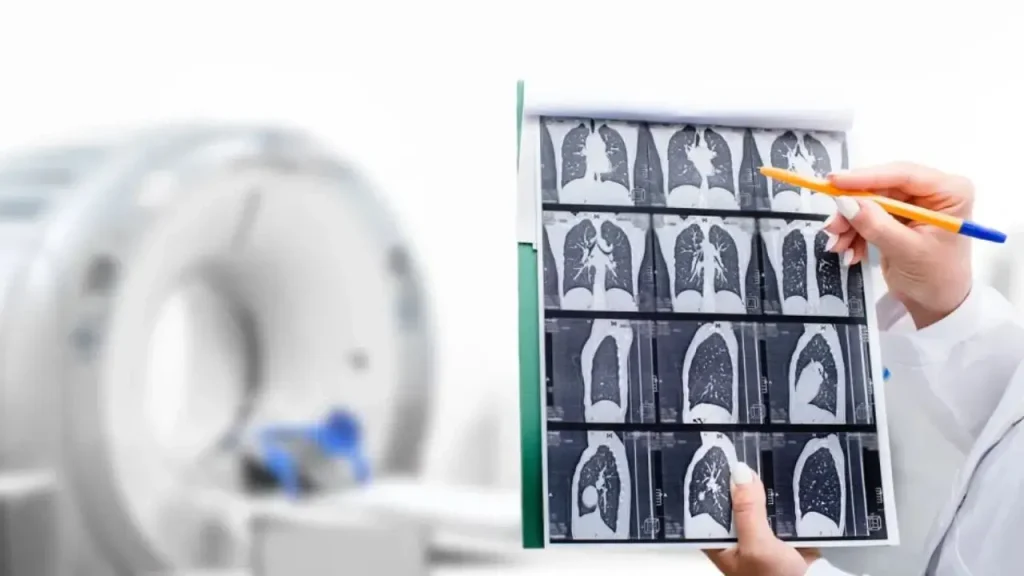
Early detection is equally important. Screening is different from investigating symptoms: screening looks for cancer or precancerous changes in people who may not have symptoms. Appropriate screening depends on factors such as age, sex, personal and family history, and the specific cancer being considered. People should follow screening recommendations applicable to their circumstances rather than undergoing every available test without medical guidance.
Early diagnosis can improve the likelihood that treatment will work and may reduce the amount of treatment required. WHO notes that many cancers have a high probability of cure when detected early and treated appropriately.
For individuals, one of the most practical habits is to know what is normal for their own body. A persistent change should not automatically be feared, but it should not be ignored either. Keeping up with appropriate medical appointments and screening, avoiding tobacco, protecting the skin from excessive sun exposure, staying active, maintaining a healthy weight, and discussing unusual symptoms promptly are simple steps that can have meaningful value.
Conclusion
Cancer is one of the most complicated diseases medicine has ever had to understand, but it is also an area in which scientific progress continues to change what is possible. Cancer is not one disease, and a diagnosis does not automatically mean the same outcome for every patient. Different cancers behave differently, respond differently to treatment, and have very different prospects depending on their biology and stage.
The most useful approach is neither fear nor false reassurance. It is informed action: understand personal risk factors, pay attention to persistent symptoms, follow appropriate screening recommendations, seek qualified medical evaluation, and ask clear questions when a diagnosis is made. Prevention can lower risk, early detection can improve outcomes, and modern treatment offers many people meaningful opportunities for recovery, long-term control, or improved quality of life.
Anyone who is experiencing symptoms or has concerns about cancer should speak with a qualified healthcare professional. General information can help people understand the subject, but it cannot replace an individualized medical assessment.
10 Frequently Asked Questions About Cancer
1. What exactly is cancer?
Cancer is a group of diseases in which abnormal cells grow and divide uncontrollably. Some cancers can invade surrounding tissues and spread to other parts of the body through metastasis. Cancer can begin in almost any organ or tissue.
2. What are the most common types of cancer?
Common cancers worldwide include lung, breast, colorectal, prostate, skin, and stomach cancers. The most frequent types vary by country, age group, sex, and other population factors.
3. What are the warning signs of cancer?
Possible warning signs include an unexplained lump, persistent cough, unusual bleeding, unexplained weight loss, prolonged fatigue, changes in bowel or bladder habits, difficulty swallowing, or a changing skin lesion. However, these symptoms often have non-cancerous causes, so medical evaluation is necessary rather than self-diagnosis.
4. Can cancer be prevented?
Some cancers can be prevented by reducing known risks. Avoiding tobacco, limiting alcohol, maintaining a healthy weight, staying physically active, protecting the skin from excessive ultraviolet radiation, eating a balanced diet, and receiving recommended vaccines can reduce the risk of certain cancers.
5. Does having cancer in the family mean I will get it?
No. A family history can increase risk for certain cancers, particularly when inherited genetic changes are involved, but it does not guarantee that someone will develop cancer. A healthcare professional or genetic counselor can help assess whether a family history suggests inherited risk.
6. How is cancer diagnosed?
Doctors may use a combination of medical history, physical examination, laboratory tests, imaging, endoscopy, and biopsy. There is no single test that can diagnose every cancer, and a biopsy is often needed to confirm the diagnosis.
7. What does cancer staging mean?
Staging describes how extensive a cancer is. It can include information about the size of the primary tumor, involvement of nearby lymph nodes, and whether the cancer has spread to distant parts of the body. Staging helps doctors select treatment and discuss prognosis.
8. Is cancer always fatal?
No. Cancer outcomes vary enormously. Many cancers can be cured, particularly when detected early and treated appropriately. Other cancers can be controlled for long periods even when they cannot be completely eliminated. Prognosis depends on the cancer type, stage, biology, response to treatment, and individual circumstances.
9. What treatments are available for cancer?
Treatment may include surgery, radiation therapy, chemotherapy, hormonal therapy, targeted therapy, immunotherapy, or combinations of these approaches. The appropriate treatment depends on the specific cancer and the individual patient.
10. When should someone see a doctor about a possible cancer symptom?
A person should consider medical evaluation when a new, unusual, unexplained, or persistent symptom develops, especially when it lasts for several weeks or becomes worse. Because many cancer-like symptoms have harmless causes, only a healthcare professional can determine what is actually responsible.
